You know, these days everyone’s talking about modularity. Everything's gotta be snapped together, easy in, easy out. Honestly, I’m a little tired of hearing it. Not that it’s bad, mind you. It’s just…have you noticed how often ‘easy’ turns into ‘flimsy’? We’re seeing a lot of this in the adjustable chair world, folks wanting all the bells and whistles without realizing that a solid base – and I mean a really solid base – is what matters. It's all about striking that balance, and frankly, most designs I’ve seen lately lean too far into convenience.
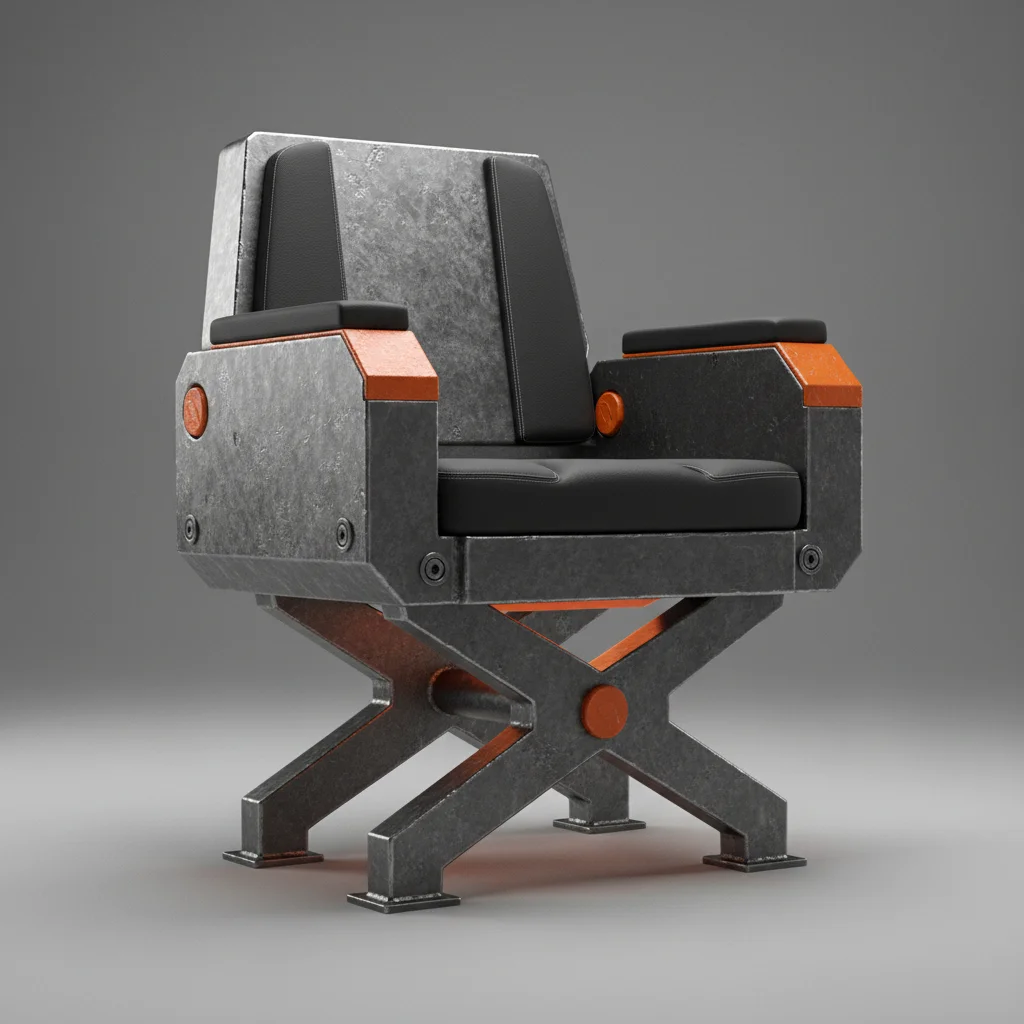
It’s funny, you spend all this time designing a chair, thinking about ergonomics and aesthetics, and then you get to a construction site and realize nobody cares about the curve of the backrest if the whole thing wobbles when you actually sit in it. I’ve been on sites where they’ve tried to save a buck on the frame, using thinner steel, and you can just tell it’s not going to hold up. The weld points are the first to go, always. Always.
The whole point of an armless adjustable chair is to be, well, adjustable. But so many of them end up being adjustable in all the wrong ways. Like, you adjust the height and then the whole seat starts to tilt. Or the lumbar support moves but the armrests don’t. It’s maddening.
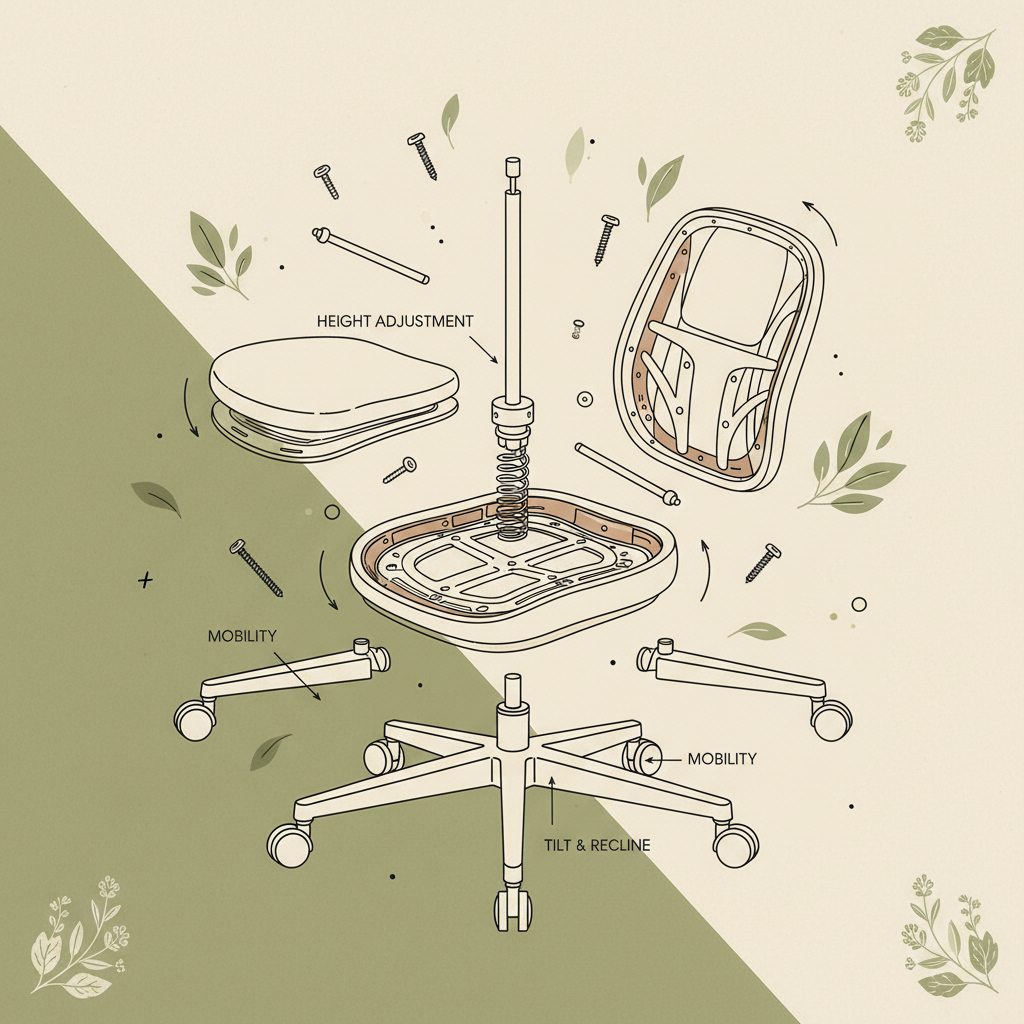
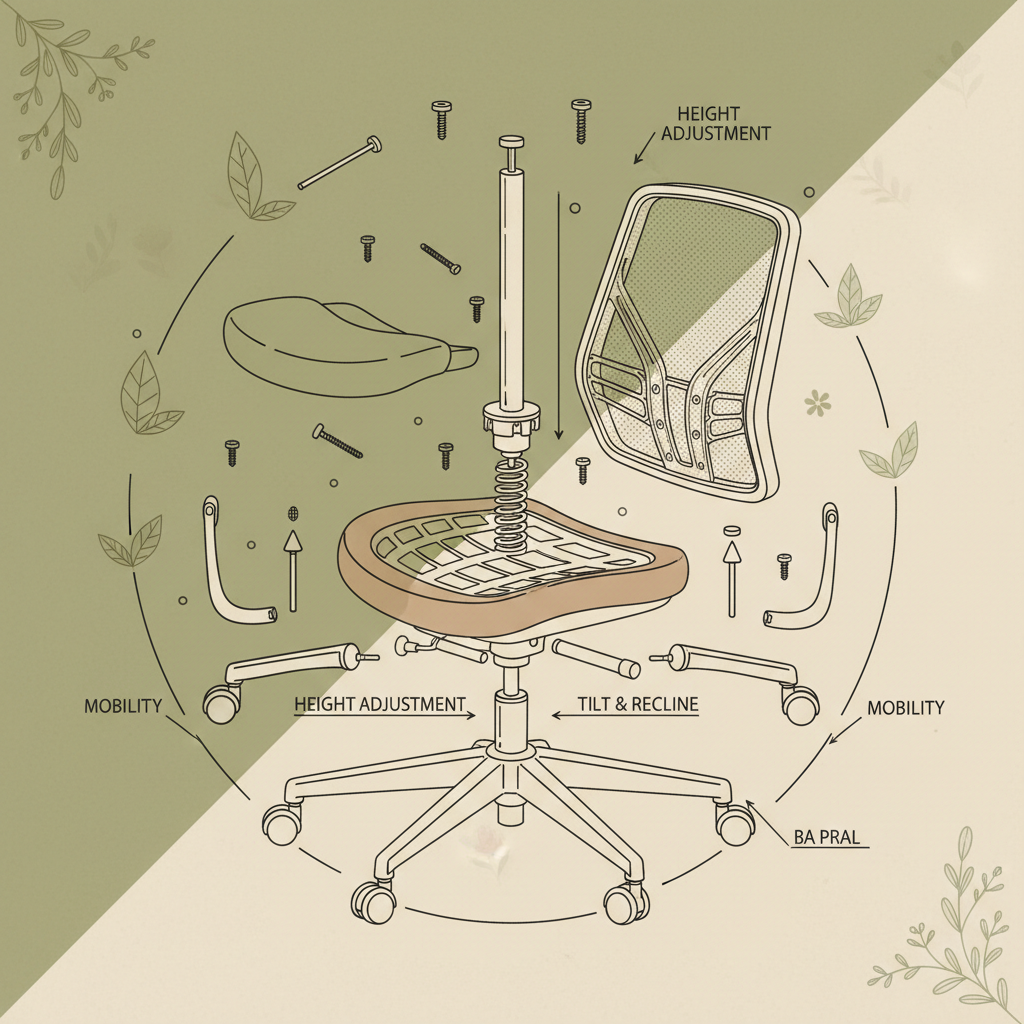
To be honest, the biggest trend I'm seeing isn't about fancy features, it's about durability. People are tired of replacing chairs every six months. They want something that can take a beating and still function. Strangely, this is being driven by the rise of remote work – folks are setting up home offices, and they’re starting to see a chair not as an expense, but as an investment.
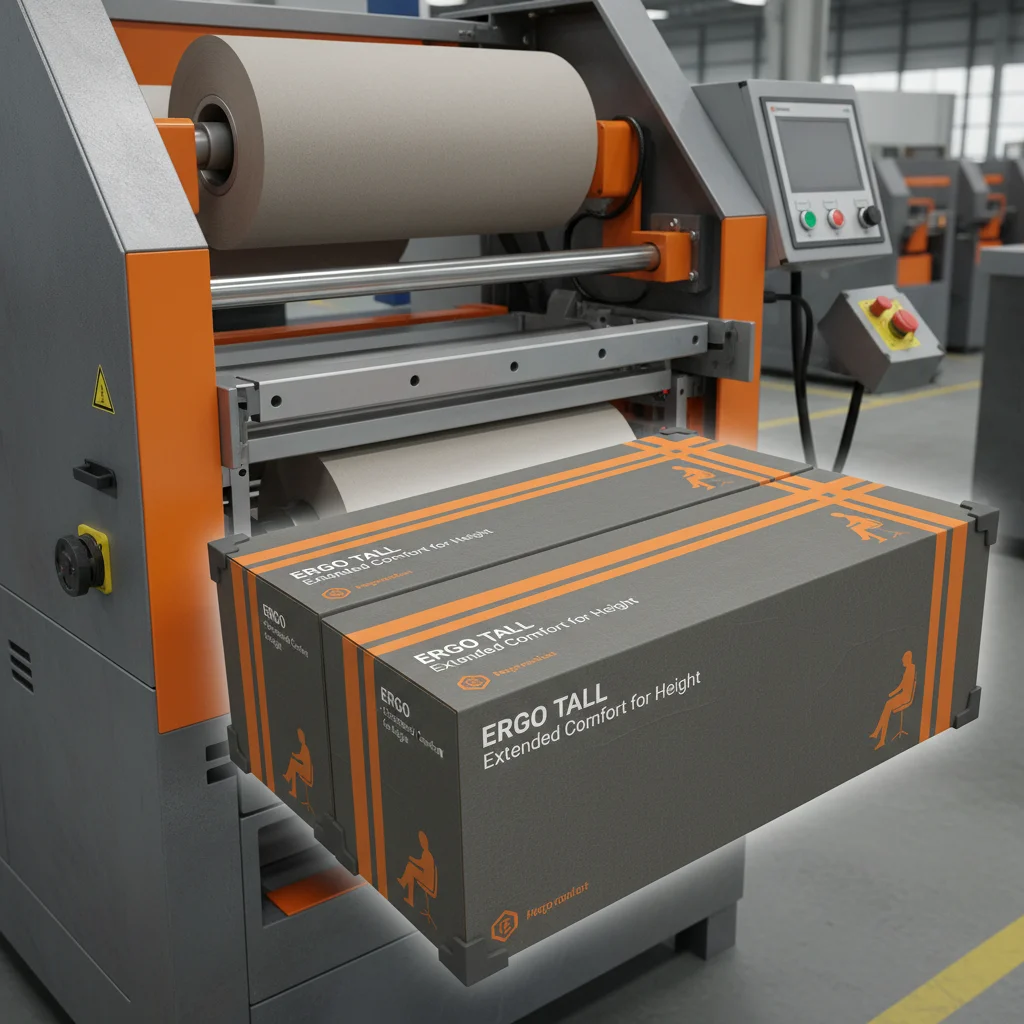
This demand is pushing manufacturers to reconsider materials and construction techniques. It's a good thing, too. I was at a factory in Ningbo last year, and I swear they were using cardboard in the seat base! Cardboard! You can imagine how well that held up.
Ignoring the base. Seriously. People get so caught up in the seat and backrest, they forget about the foundation. A flimsy base will ruin the whole experience. It needs to be wide, stable, and made of something durable. Don’t skimp on the base. I’ve seen too many chairs tip over because of a cheap base.
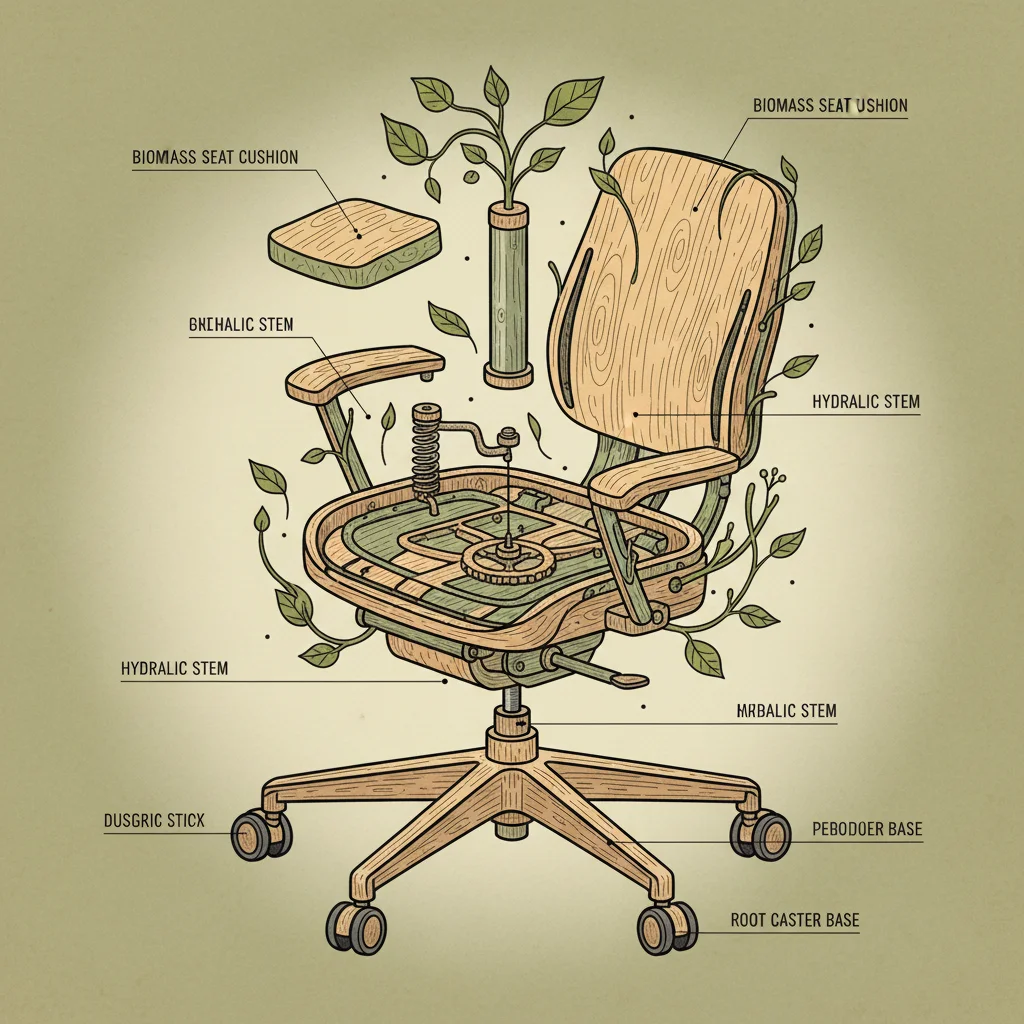
Very important. A cheap gas lift will fail, guaranteed. It’s one of the first things to go. Paying extra for a higher-quality gas lift is worth it in the long run. Look for one that’s certified to meet industry standards. It'll save you headaches (and money) down the road.
It depends on the environment. For office use, a breathable mesh or a durable polyester blend is a good choice. If it's going to be in a workshop or industrial setting, you'll want something tougher, like vinyl or leather. And make sure it’s stain-resistant. Coffee spills happen.
Look at the welds. Are they clean and consistent? Check the frame. Is it made of thick, heavy-duty steel? And ask about the testing process. Does the manufacturer actually put their chairs through rigorous testing, or are they just relying on lab reports? Real-world testing is key.
They can be, but it depends on the individual and the chair’s design. A good armless adjustable chair should provide adequate lumbar support and allow for proper posture. However, some people may prefer the added support of armrests. It’s best to try before you buy.
Many manufacturers offer customization options, such as custom colors, fabrics, and logos. The extent of customization will vary depending on the manufacturer and the quantity of chairs you're ordering. But it’s definitely possible to get a chair that matches your brand identity.
Ultimately, whether an armless adjustable chair works or not comes down to the fundamentals: a strong frame, durable materials, and thoughtful design. It’s not about the bells and whistles, it’s about building something that can withstand the rigors of real-world use. We can talk about ergonomics and aesthetics all day long, but if the chair falls apart after six months, it’s all for nothing.
So, look beyond the marketing hype. Talk to people who actually use these chairs. And remember, the worker will know the moment he tightens the screw whether it's a good chair or not. That’s the bottom line.

If you are interested in our products, you can choose to leave your information here, and we will be in touch with you shortly.