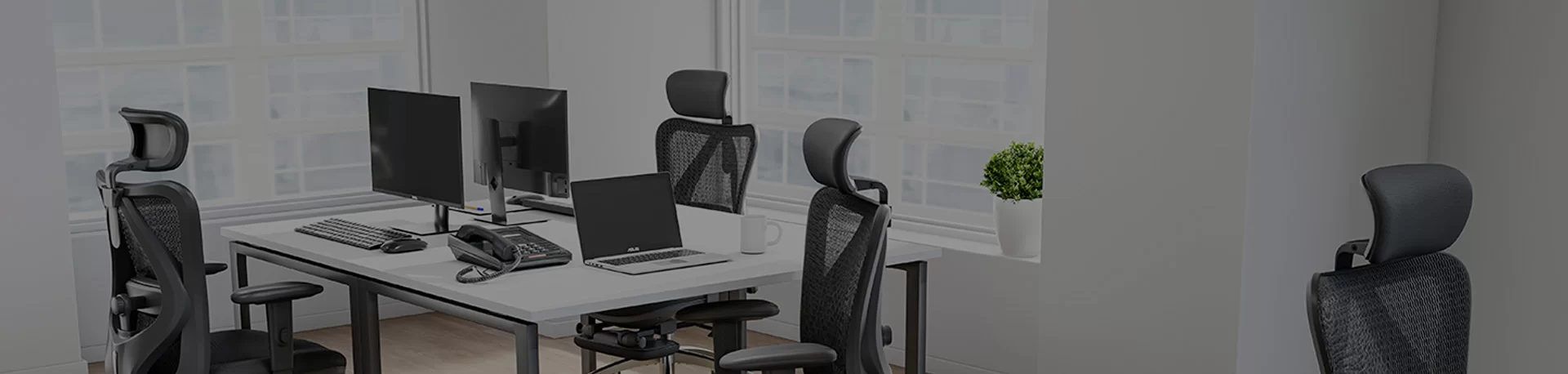
The modern workspace demands adaptability and comfort, and a key component in achieving this is the chair with tilt lock. These chairs are more than just seating; they’re ergonomic solutions designed to support prolonged periods of work or leisure. Understanding the nuances of a chair with tilt lock – its mechanisms, benefits, and applications – is crucial for anyone seeking to optimize their workspace, improve posture, and reduce physical strain.
Globally, the demand for ergonomic office furniture is on the rise, driven by increasing awareness of workplace health and safety. According to the World Health Organization, musculoskeletal disorders are a leading cause of disability, and poor seating significantly contributes to these issues. A well-designed chair with tilt lock offers customizable support, accommodating various body types and work styles, making it an essential investment for both individuals and organizations.
A chair with tilt lock is a seating solution that allows the user to recline while maintaining a desired angle of support. This feature, coupled with adjustable height, armrests, and lumbar support, makes it a versatile and beneficial addition to any office, gaming setup, or home workstation. It’s a move away from static seating toward dynamic comfort, supporting natural movement and promoting healthier posture.
The Significance of Chair with Tilt Lock
A chair with tilt lock addresses a fundamental need for comfort and ergonomic support in environments where prolonged sitting is unavoidable. This isn't merely about luxury; it's about preventing health issues associated with sedentary lifestyles, such as back pain, carpal tunnel syndrome, and poor circulation. Investing in a quality chair with tilt lock is an investment in long-term well-being and productivity.
The increasing emphasis on employee wellness within organizations is driving the demand for ergonomic furniture, including chairs with tilt lock. Companies are recognizing that a comfortable and supportive workspace contributes to increased employee morale, reduced absenteeism, and improved performance. This trend underscores the growing importance of prioritizing ergonomic solutions in the modern office.
Defining a Chair with Tilt Lock
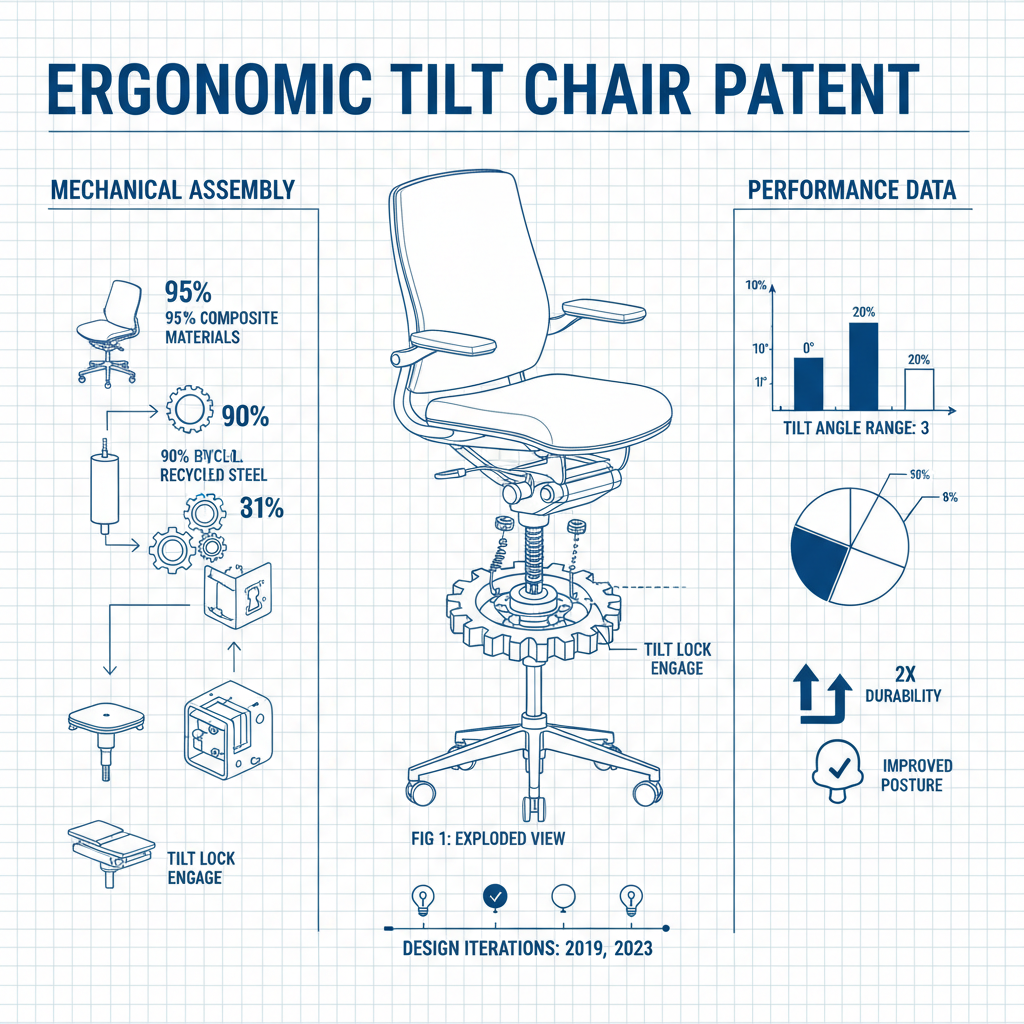
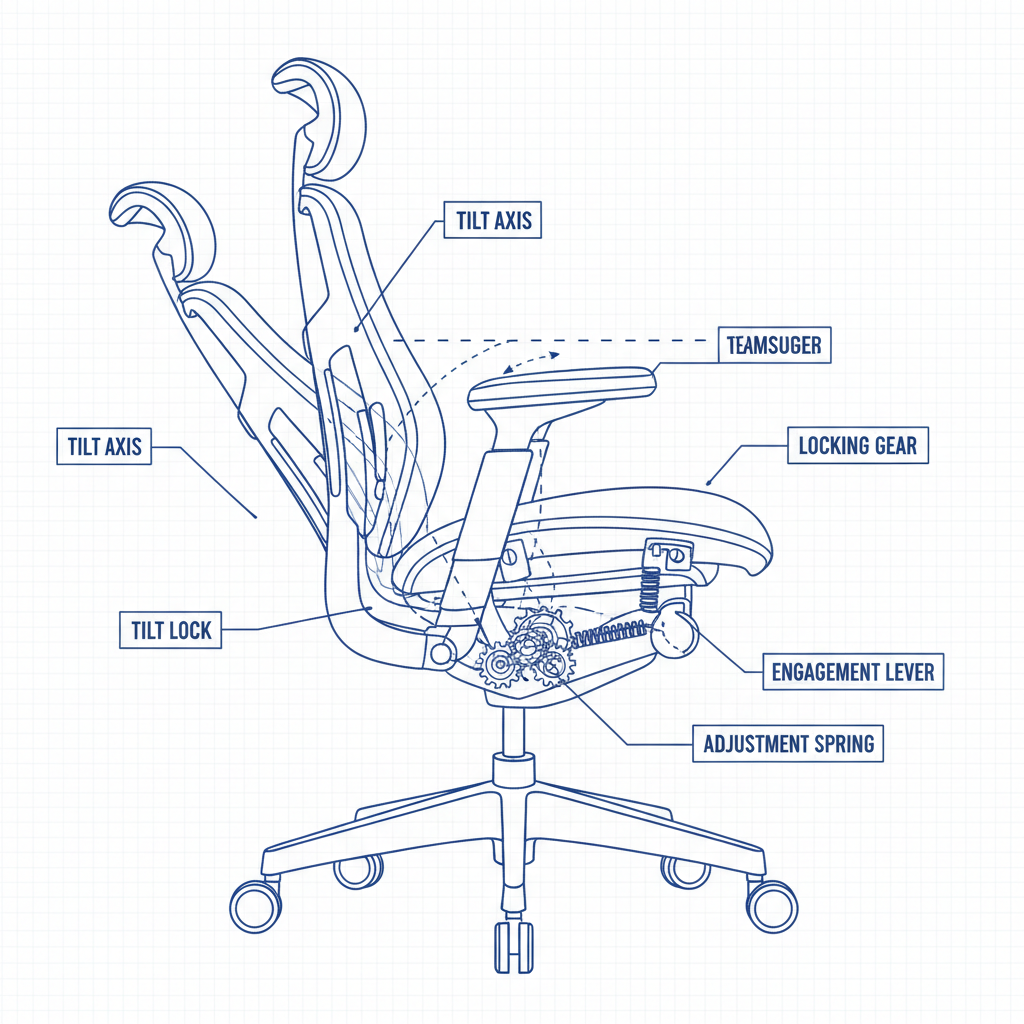
At its core, a chair with tilt lock features a mechanism that allows the seat and backrest to move in a coordinated, reclining motion. Crucially, the “tilt lock” function allows the user to fix the chair at a desired angle, preventing constant movement and providing stable support. This differs from a simple rocking chair, offering controlled and customizable positioning.
This concept isn’t new, but its implementation has evolved significantly. Early versions were often rudimentary, offering limited adjustability. Modern chairs with tilt lock utilize sophisticated mechanisms, often incorporating pneumatic cylinders, tension controls, and multiple locking positions, offering a tailored experience for each user. This evolution directly responds to the increasing understanding of biomechanics and ergonomic principles.
The connection to modern industry and humanitarian needs lies in its ability to enhance productivity and well-being across diverse settings. From demanding office environments to long-haul trucking and even specialized healthcare applications, a properly adjusted chair with tilt lock contributes to comfort, reduces fatigue, and promotes better posture.
Core Components and Features
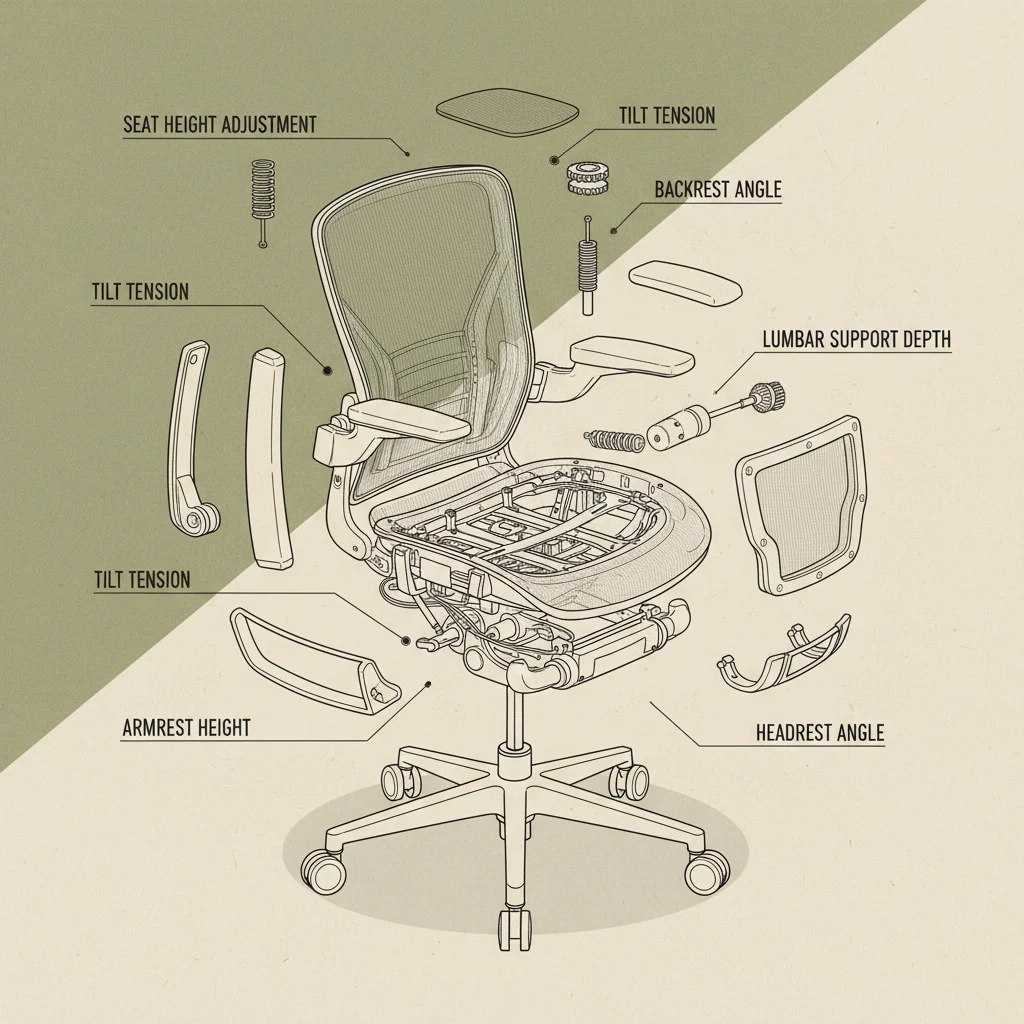
Several key factors define the quality and functionality of a chair with tilt lock. First, the tilt mechanism itself is critical – look for smooth, reliable operation and multiple locking positions. Second, the seat and backrest should be adequately padded with high-density foam for optimal comfort. Third, adjustable armrests are essential for supporting arms and shoulders, reducing strain.
Lumbar support is another vital component, providing crucial support to the lower back and promoting a healthy spinal curve. Furthermore, the base and casters should be robust and durable, capable of supporting the user's weight and facilitating easy movement. Material choice significantly impacts longevity and comfort; breathable mesh, durable plastics, and quality fabrics are all important considerations.
Finally, the tension control allows users to adjust the resistance of the tilt, matching it to their body weight and preferred level of support. These components work synergistically to create a chair that isn't just comfortable, but actively promotes good posture and reduces the risk of musculoskeletal discomfort.
Applications Across Industries
The versatility of a chair with tilt lock extends far beyond the traditional office setting. In the gaming industry, these chairs provide crucial support during long gaming sessions, minimizing fatigue and enhancing performance. In call centers, where employees spend hours seated, ergonomic chairs are essential for maintaining productivity and preventing discomfort.
The healthcare sector utilizes specialized chairs with tilt lock for practitioners who perform delicate procedures requiring precise positioning and sustained focus. Even in the transportation industry, truck drivers benefit immensely from ergonomic seating that reduces fatigue and improves road safety.
Globally, we see this application in various regions. In North America and Europe, ergonomic standards are relatively high, leading to widespread adoption in offices and workplaces. Emerging economies in Asia and South America are also increasingly recognizing the value of ergonomic furniture as they prioritize employee well-being and productivity.
Chair with Tilt Lock Performance Metrics
Advantages and Long-Term Value
The benefits of investing in a chair with tilt lock are multifaceted. From a cost perspective, preventing musculoskeletal disorders translates to reduced healthcare expenses and worker's compensation claims. Sustainability is enhanced through increased product lifespan and reduced need for replacements.
The social impact is significant, contributing to improved employee well-being, increased productivity, and a more positive work environment. Furthermore, the reliability of a well-built chair with tilt lock provides peace of mind and long-term value. Emotional benefits include increased comfort, reduced stress, and a greater sense of control over one's workspace.
Future Trends in Chair Design
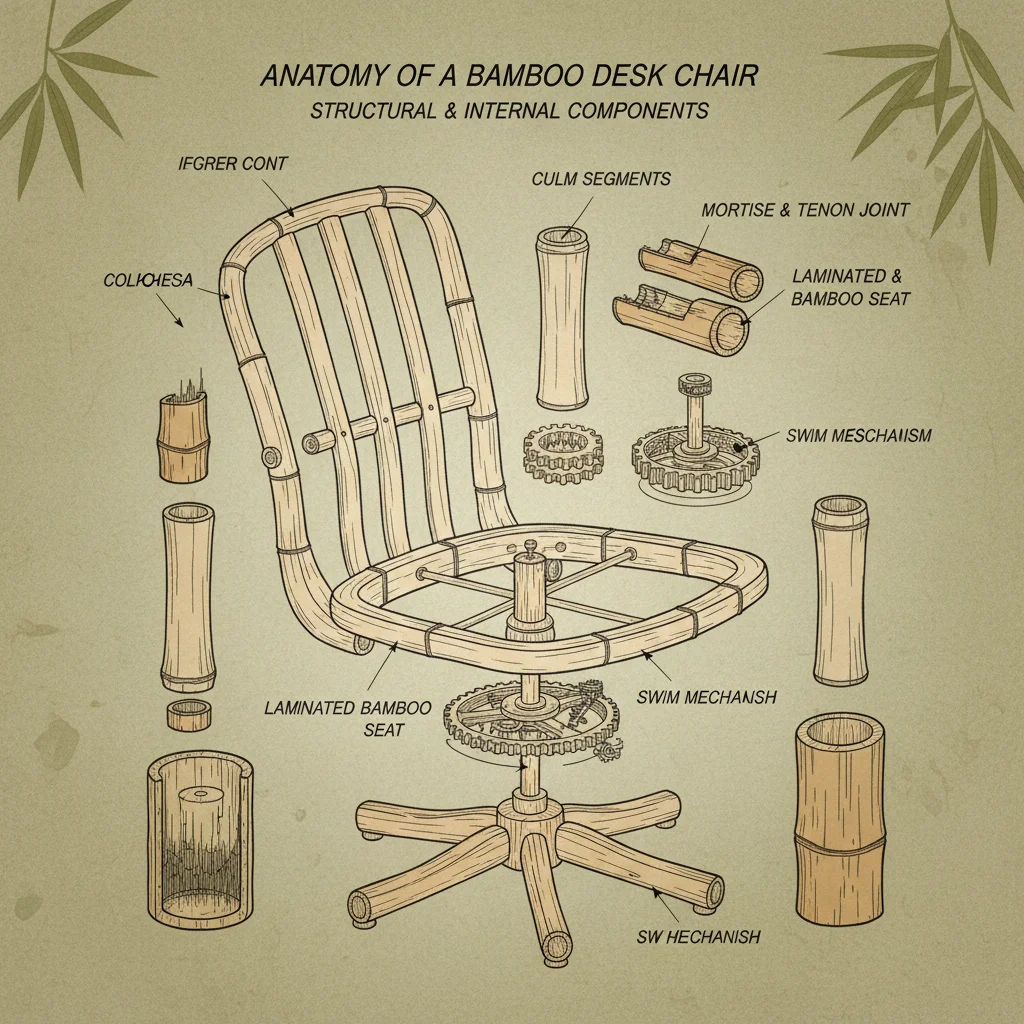
Innovation in chair design is continuously evolving. We're seeing a growing integration of smart technology, such as sensors that monitor posture and provide real-time feedback. The use of sustainable materials, like recycled plastics and bamboo, is becoming increasingly prevalent, reflecting a growing commitment to environmental responsibility.
Furthermore, advancements in 3D printing are enabling the creation of customized chairs tailored to individual body types and specific ergonomic needs. Digital transformation will play a role, with chairs potentially integrating with workplace wellness platforms to track usage and provide personalized recommendations.
Challenges and Innovative Solutions
One common challenge is the cost barrier, as high-quality chairs with tilt lock can be expensive. However, manufacturers are exploring innovative materials and production techniques to reduce costs without compromising quality. Another challenge is ensuring proper fit and adjustment – many users don't fully understand how to optimize their chair for optimal support.
Educational resources, such as online tutorials and ergonomic assessments, can help address this issue. Furthermore, the development of adaptive chairs that automatically adjust to the user's body shape and movements holds great promise for the future. Finally, addressing the lifecycle of the chair – promoting repair and recycling – is critical for sustainability.
The development of modular designs, where components can be easily replaced or upgraded, further extends the lifespan of the chair and reduces waste.
Key Performance Indicators for Chair with Tilt Lock Selection
| Category |
KPI Metric |
Scoring (1-10) |
Rationale |
| Ergonomic Support |
Lumbar Adjustment Range |
9 |
Wide range of adjustment crucial for various body types. |
| Durability |
Frame Material Strength |
8 |
Strong frame ensures long-term stability and weight capacity. |
| Comfort |
Seat Cushion Density |
7 |
Optimal density prevents sinking and provides consistent support. |
| Adjustability |
Armrest Adjustment Options |
10 |
Multiple adjustment options (height, width, angle) maximize customization. |
| Tilt Mechanism |
Tilt Lock Positions |
8 |
Multiple lock positions allow for personalized recline angles. |
| Material Quality |
Fabric Breathability |
6 |
Breathable fabric prevents overheating and enhances comfort. |
FAQS
A chair with tilt lock provides dynamic support, allowing for subtle movements that promote better circulation and reduce fatigue. Unlike standard chairs, it encourages a more active sitting posture, reducing pressure points and supporting the natural curves of the spine. The tilt lock feature stabilizes the chair at your preferred recline angle, offering customized comfort and ergonomic benefits throughout the workday, leading to increased productivity and reduced risk of musculoskeletal issues.
Proper adjustment is crucial. Start by setting the seat height so your feet are flat on the floor and your knees are at a 90-degree angle. Adjust the lumbar support to fit the curve of your lower back, providing firm but comfortable support. Adjust the armrests so your shoulders are relaxed, and your elbows are supported at a 90-degree angle. Finally, use the tilt tension control to adjust the resistance of the recline, ensuring it feels comfortable and supportive.
A chair with tilt lock can be highly beneficial for individuals with back pain, provided it's properly adjusted and used. The dynamic support and adjustable features can help alleviate pressure on the spine and promote a healthier posture. However, it's always best to consult with a healthcare professional or ergonomic specialist to determine the best seating solution for your specific condition. They can provide personalized recommendations and ensure the chair is properly fitted.
A high-quality chair with tilt lock, constructed with durable materials and a robust mechanism, should last between 5 to 10 years with regular use. Proper maintenance, such as cleaning and occasional tightening of screws, can extend its lifespan. Investing in a chair with a strong warranty is also recommended, providing protection against defects and ensuring long-term value.
The cost of a chair with tilt lock varies widely depending on its features, materials, and brand. Entry-level models typically range from $200 to $500, while high-end ergonomic chairs can cost $800 or more. It's important to consider the long-term benefits of investing in a quality chair, such as improved comfort, increased productivity, and reduced risk of health issues, when evaluating the price.
Common materials include steel for the frame, providing strength and stability. High-density foam is used for cushioning in the seat and backrest. Upholstery materials vary, with options like fabric, mesh, and leather. Mesh is popular for breathability, while leather offers a premium look and feel. The base is often made of nylon or aluminum, and casters are typically made of polyurethane or nylon for smooth rolling.
Conclusion
A chair with tilt lock represents a significant advancement in seating technology, offering a blend of comfort, support, and adjustability that addresses the needs of modern work and leisure. Its ability to promote dynamic movement, reduce pressure points, and improve posture contributes to enhanced well-being, increased productivity, and long-term health benefits. From offices to gaming setups and beyond, this ergonomic solution is an investment in a healthier and more comfortable future.
As technology continues to evolve, we can expect further innovations in chair design, including smart features, sustainable materials, and personalized customization options. Prioritizing ergonomic seating, and specifically choosing a chair with tilt lock that meets your individual needs, is a proactive step towards creating a workspace that supports your health and empowers you to perform at your best. For more information and to explore our range of ergonomic chairs, visit our website: chair with tilt lock.