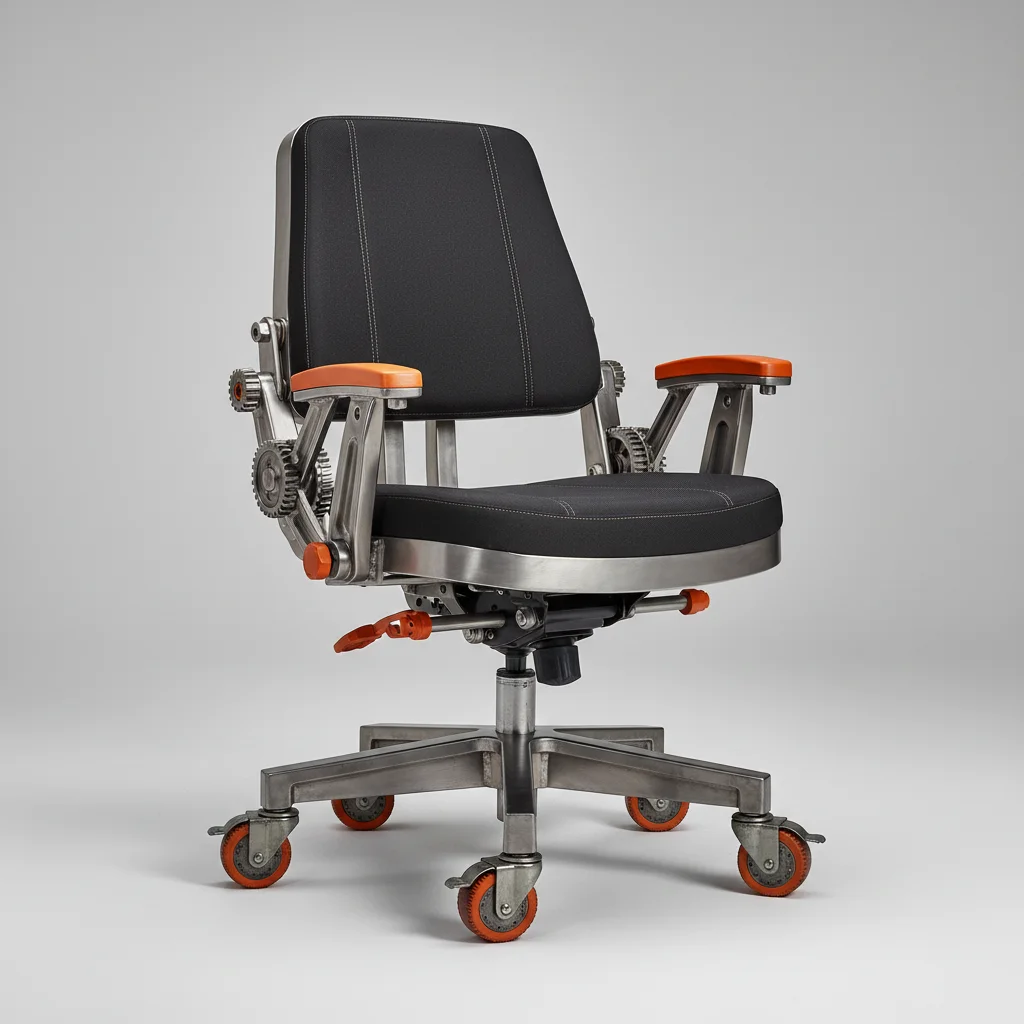
Conference chairs are integral to facilitating productive discussions and collaborative environments globally. From international summits to local business meetings, these chairs represent more than just seating; they symbolize professionalism, comfort, and a commitment to effective communication. The demand for high-quality, ergonomic conference chairs continues to rise as businesses prioritize employee well-being and seek to optimize meeting spaces for increased engagement and innovation.
The global conference chair market is a multi-billion dollar industry, driven by factors like economic growth, increasing corporate investments, and the expanding commercial sector. Regions like Asia-Pacific are witnessing significant growth due to rapid urbanization and infrastructure development. Understanding the nuances of conference chair design, materials, and functionality is crucial for organizations seeking to create spaces that foster collaboration and enhance overall productivity.
Investing in well-designed conference chairs isn't merely an aesthetic choice; it's a strategic investment in a company's most valuable asset – its people. Comfortable and supportive seating encourages longer, more focused meetings, leading to better decision-making and improved team performance.
The Importance of Conference Chairs
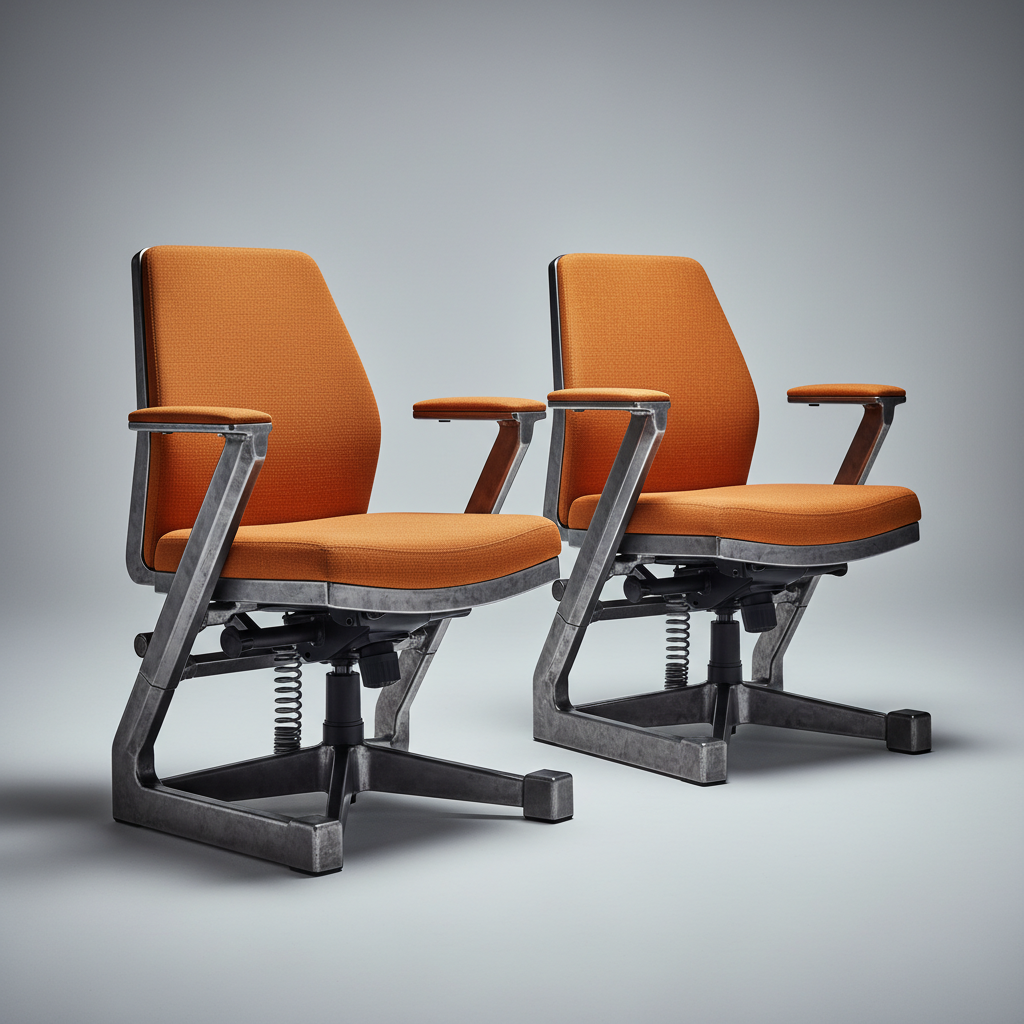
Conference chairs play a critical role in establishing the tone and functionality of any meeting space. They are the silent partners in countless decisions, collaborations, and brainstorming sessions. The quality of these chairs directly impacts attendee comfort, posture, and ultimately, their ability to focus and contribute effectively. Prioritizing ergonomic design and durable construction ensures a positive and productive meeting experience.
Beyond mere functionality, conference chairs contribute significantly to the overall aesthetic of a room. A thoughtfully selected chair style can enhance the company's brand image and create a welcoming atmosphere for clients and colleagues alike. Choosing the right conference chairs demonstrates a commitment to professionalism and attention to detail, fostering trust and respect.
Defining Conference Chairs
Conference chairs are specifically designed for use in meeting rooms, boardrooms, and similar settings where groups gather to discuss business or conduct collaborative work. Unlike standard office chairs, conference chairs often prioritize a more formal and sophisticated aesthetic, with a focus on creating a cohesive and professional look within the space.
They typically feature a higher back for added support and a more upright posture, encouraging engagement during lengthy meetings. Material choices often lean towards premium fabrics, leather, or mesh, offering both comfort and durability. The design of conference chairs is increasingly focused on facilitating communication and promoting a sense of collaboration among attendees.
The connection to modern industry lies in the understanding that effective communication and collaboration are paramount to success. Conference chairs, as a foundational element of the meeting environment, directly contribute to these crucial aspects of business operations, impacting everything from innovation to decision-making.
Key Factors in Conference Chair Design
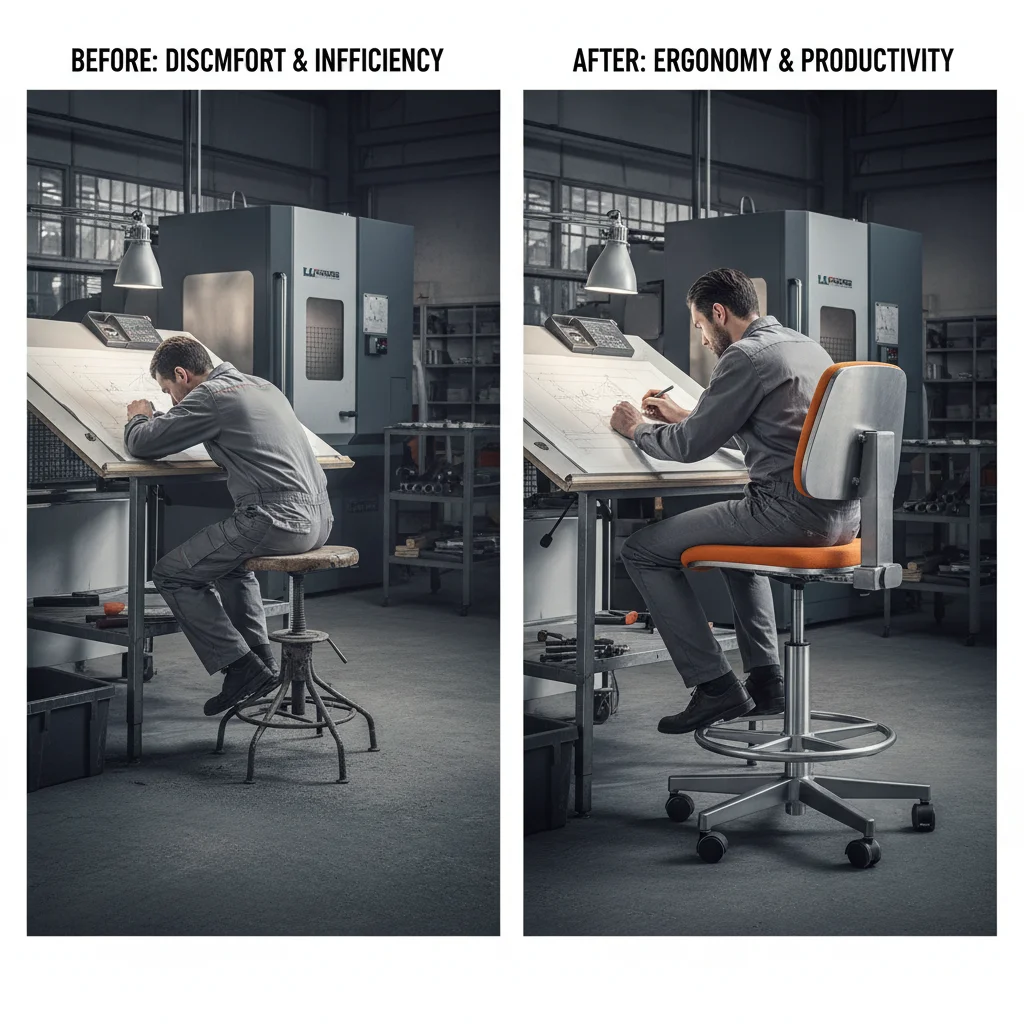
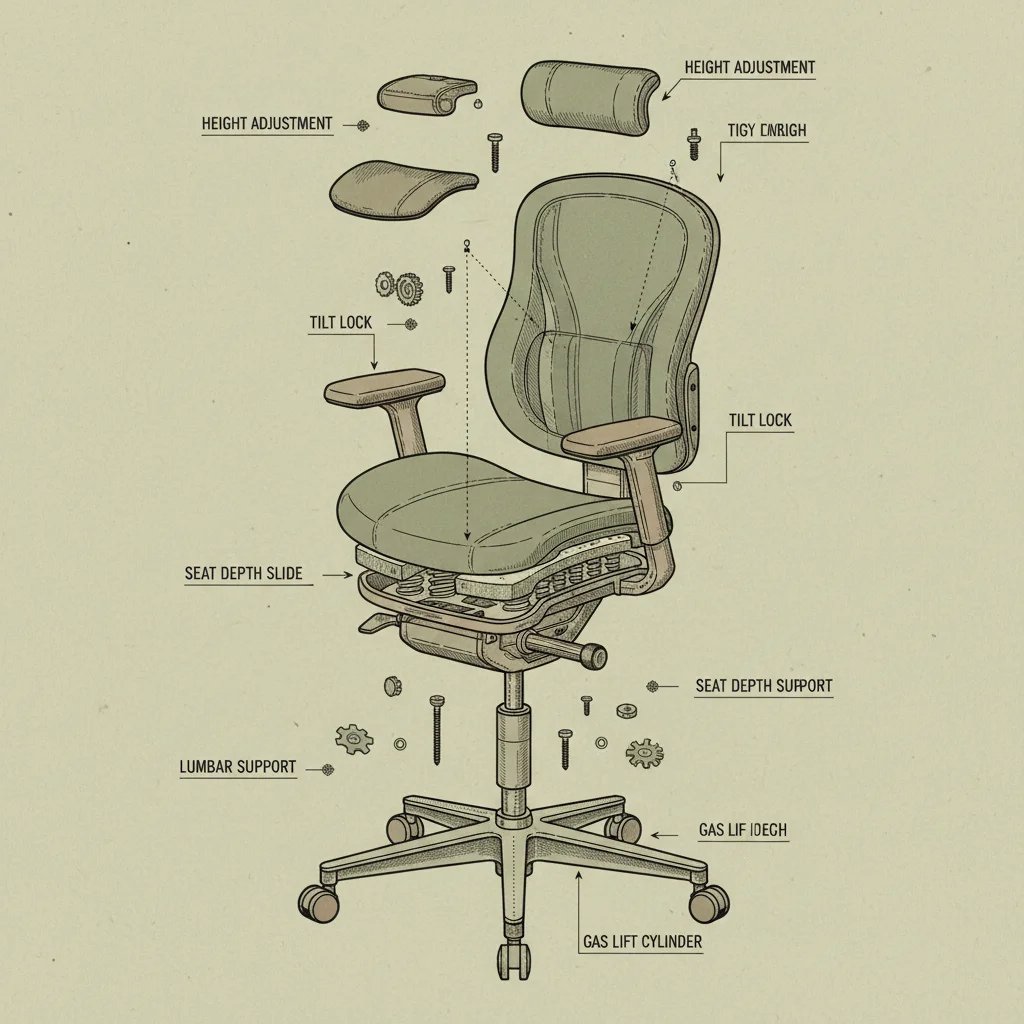
Several key factors contribute to the design and effectiveness of conference chairs. Ergonomics is paramount, ensuring that the chair supports the natural curvature of the spine and promotes good posture, reducing fatigue during long meetings. This often involves adjustable features like lumbar support, seat height, and armrests.
Material selection also plays a vital role. Durable fabrics, high-density foam padding, and robust frame construction are essential for withstanding frequent use and maintaining a professional appearance. Considerations such as stain resistance and ease of cleaning are also important, especially in high-traffic meeting spaces. conference chairs are available in a wide variety of materials and designs to suit diverse needs.
Aesthetics are equally important, as conference chairs contribute to the overall impression of the meeting room. The style, color, and finish of the chairs should complement the existing décor and reflect the company's brand identity. Stackability and mobility are also practical considerations, allowing for flexible room configurations and easy storage.
Durability and Material Selection
The durability of conference chairs is a critical factor, particularly for organizations anticipating high usage. Investing in chairs constructed from high-quality materials will significantly reduce the need for frequent replacements, leading to long-term cost savings. Steel frames are commonly used for their strength and stability, while molded plywood or reinforced polypropylene can offer lighter-weight alternatives.
Material selection extends beyond the frame to encompass upholstery, cushioning, and armrests. Durable fabrics like wool, polyester blends, and vinyl offer resistance to wear and tear, while high-density foam provides long-lasting comfort and support. Leather remains a popular choice for its luxurious feel and timeless appeal, but requires more maintenance.
Conference Chair Material Durability Ratings
Global Applications of Conference Chairs
Conference chairs are utilized across a vast spectrum of industries and organizations worldwide. Corporate offices, from multinational corporations to small businesses, rely on comfortable and stylish conference chairs to facilitate meetings and collaborative work. Government institutions, educational facilities, and healthcare organizations also require durable and functional seating for boardrooms, training rooms, and conference spaces.
In developing countries, the demand for affordable and reliable conference chairs is growing alongside economic development. These chairs are often used in newly established businesses, government offices, and educational institutions, supporting the growth of local economies. Similarly, in remote industrial zones, robust and durable conference chairs are essential for maintaining effective communication and collaboration among workers.
International organizations such as the United Nations and the World Bank utilize high-quality conference chairs in their global meetings and conferences, underscoring the importance of these chairs in facilitating international diplomacy and collaboration.
Advantages of Investing in Quality Conference Chairs
Investing in high-quality conference chairs yields numerous tangible benefits. Cost-effectiveness is a key advantage; while initial costs may be higher, durable chairs require less frequent replacement, resulting in long-term savings. Improved employee comfort and well-being translate to increased productivity and reduced absenteeism.
The ergonomic design of quality conference chairs promotes good posture and reduces the risk of musculoskeletal disorders, fostering a healthier and more engaged workforce. Furthermore, a professional and aesthetically pleasing conference room enhances the company's image and fosters trust with clients and partners.
Beyond the practical benefits, investing in quality conference chairs demonstrates a commitment to employee well-being and a dedication to creating a positive and productive work environment. This fosters a sense of value and respect, ultimately contributing to improved morale and employee retention.
Future Trends in Conference Chair Technology
The future of conference chair technology is focused on incorporating smart features and sustainable materials. Expect to see increased integration of sensors and connectivity to monitor posture, provide personalized comfort adjustments, and even track meeting room occupancy. Advanced ergonomic designs will prioritize dynamic support and promote movement throughout long meetings.
Sustainability is also a major driving force, with manufacturers increasingly utilizing recycled materials, bio-based plastics, and eco-friendly fabrics. Circular economy principles are gaining traction, emphasizing durability, repairability, and recyclability to minimize environmental impact. Digital transformation will play a role in customized designs and ordering processes.
Furthermore, advancements in materials science are leading to the development of innovative fabrics that offer enhanced breathability, stain resistance, and antimicrobial properties, contributing to a healthier and more hygienic meeting environment.
Summary of Future Trends in Conference Chair Technology
| Trend Category |
Key Features |
Impact on Conference Chairs |
Adoption Timeline |
| Smart Technology |
Posture sensors, connectivity, personalized adjustments |
Enhanced comfort, improved ergonomics, data-driven insights |
3-5 years |
| Sustainable Materials |
Recycled plastics, bio-based fabrics, eco-friendly foams |
Reduced environmental impact, enhanced brand reputation |
Currently expanding |
| Ergonomic Design |
Dynamic support, adjustable features, movement-promoting designs |
Improved posture, reduced fatigue, increased comfort |
Ongoing evolution |
| Advanced Materials |
Breathable fabrics, stain-resistant coatings, antimicrobial surfaces |
Enhanced hygiene, reduced maintenance, improved durability |
2-3 years |
| Customization & Digital Ordering |
Online configurators, 3D modeling, personalized design options |
Tailored solutions, streamlined ordering process, reduced lead times |
1-2 years |
| Circular Economy Principles |
Modular design, repairability, recyclability, component reuse |
Reduced waste, extended product lifespan, lower lifecycle costs |
5+ years |
FAQS
The ideal height range for conference chairs typically falls between 18 and 21 inches from the floor to the seat. This allows most individuals to comfortably rest their feet flat on the floor while maintaining a 90-degree angle at the knees. Adjustable height features are highly recommended to accommodate a wider range of body types. Proper seat height is crucial for preventing lower back pain and promoting good posture during long meetings. Look for chairs with pneumatic height adjustment levers for easy customization.
Selecting conference chairs that complement your office’s aesthetic involves considering several factors. First, assess the existing décor – are you aiming for a modern, minimalist look, or a more traditional and luxurious feel? Next, choose a chair style that aligns with this aesthetic. Color is also key; opt for neutral tones that blend seamlessly with the existing color scheme, or select a bold color to make a statement. Fabric choices, such as leather, mesh, or microfiber, can also contribute to the overall aesthetic.
For high-use conference chairs, durability is paramount. Steel frames are exceptionally strong and can withstand significant weight and wear. Upholstery materials like high-grade vinyl or durable polyester blends are resistant to stains, abrasions, and fading. High-density foam cushioning provides long-lasting comfort and support without losing its shape. Reinforced plywood is another durable option for chair shells, offering a good balance of strength and affordability.
Yes, many manufacturers now offer conference chairs specifically designed for bariatric individuals. These chairs typically feature wider seats, higher weight capacities (often 500 lbs or more), and reinforced frames to provide adequate support and comfort. They may also include features like extended backrests and adjustable armrests to accommodate larger body types. Ensure that any bariatric chair you select meets industry safety standards and provides proper ergonomic support.
Lumbar support is incredibly important in conference chairs, as it helps maintain the natural curvature of the spine and prevents lower back pain during prolonged sitting. Look for chairs with adjustable lumbar support, allowing you to customize the level of support to your individual needs. Features like a contoured backrest, adjustable lumbar height, and lumbar depth are all beneficial. Proper lumbar support promotes good posture and reduces strain on the back muscles, enhancing comfort and productivity.
The typical lifespan of a well-maintained conference chair can range from 5 to 10 years, or even longer with proper care. Factors influencing lifespan include the quality of materials, the level of usage, and the frequency of cleaning and maintenance. Regular cleaning, tightening of screws, and replacement of worn-out components can significantly extend the chair's lifespan. Investing in high-quality chairs with durable construction is the best way to ensure long-term value.
Conclusion
In conclusion, conference chairs are more than just seating; they are integral components of productive and collaborative workspaces. From ergonomic design and durable materials to aesthetic appeal and future technological advancements, the selection of conference chairs significantly impacts employee well-being, company image, and overall business success. Prioritizing quality and functionality in conference chair investments yields long-term benefits, fostering a positive and productive meeting environment.
As we look ahead, the integration of smart technologies, sustainable materials, and personalized ergonomic features will continue to shape the evolution of conference chairs. Organizations that embrace these innovations will be well-positioned to create meeting spaces that inspire collaboration, enhance creativity, and drive success. Visit our website at CDGamingFurniture.com to explore our wide selection of conference chairs and discover the perfect seating solutions for your needs.