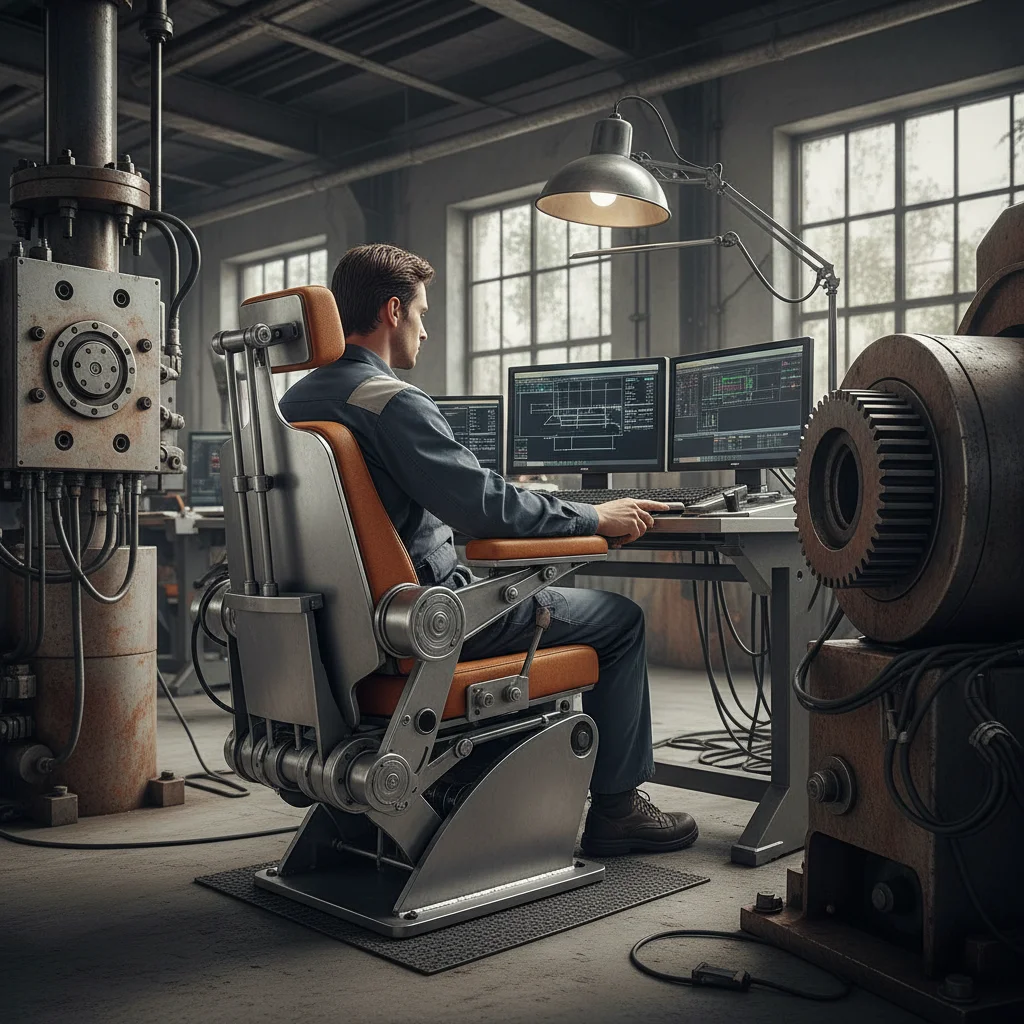
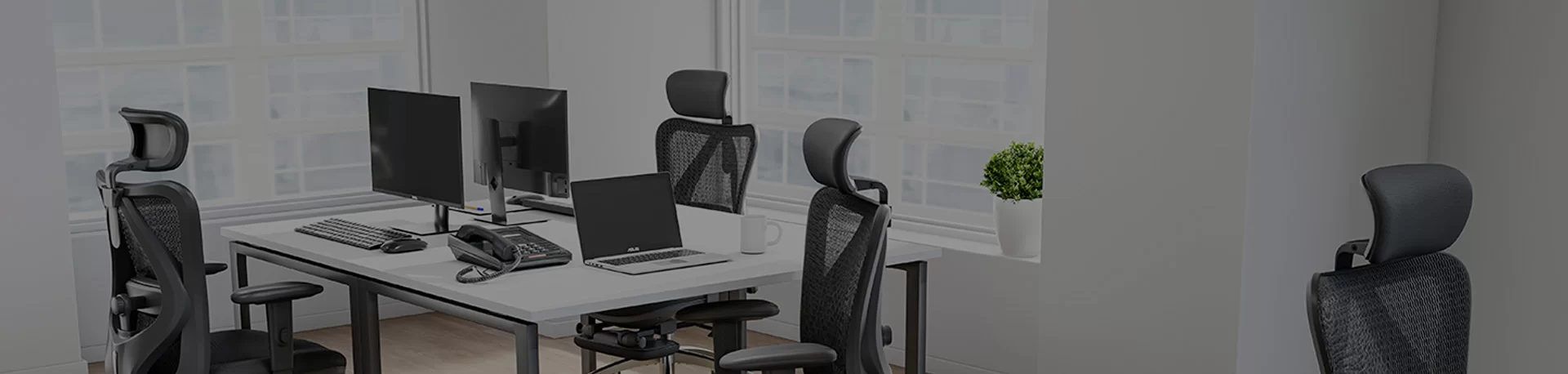
The modern workspace is undergoing a radical transformation, shifting away from static cubicles toward fluid, adaptable environments. A foldable work chair represents the pinnacle of this evolution, offering a seamless blend of ergonomic support and spatial efficiency that caters to the needs of remote professionals and industrial operators alike.
Across the globe, the demand for versatile furniture has surged as hybrid work models become the norm. The ability to deploy a professional-grade seating solution in seconds and tuck it away just as quickly allows users to reclaim their living spaces without sacrificing the lumbar support necessary for long-term productivity.
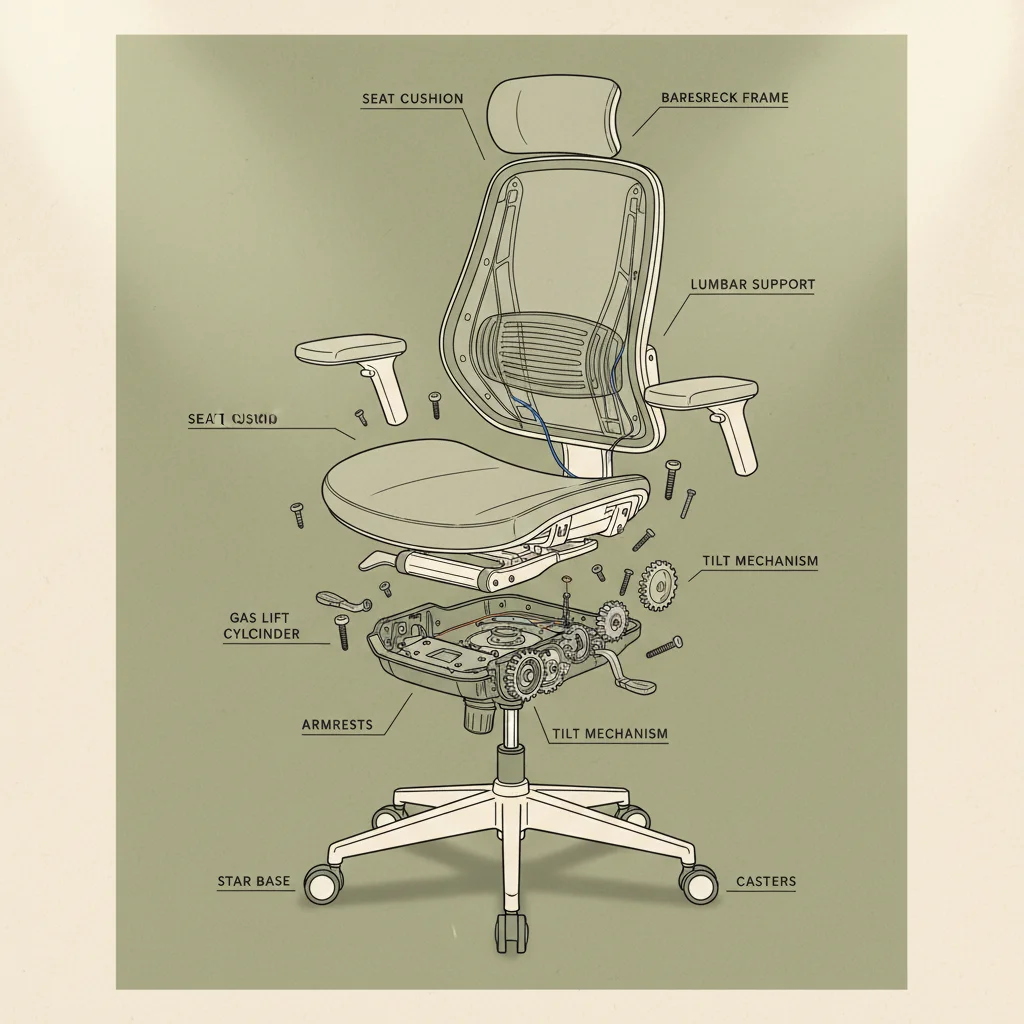
Understanding the engineering behind a high-quality foldable work chair is essential for anyone looking to optimize their operational footprint. From the selection of high-tensile metals to the integration of breathable fabrics, these chairs are no longer just "temporary" seating, but strategic assets in the pursuit of ergonomic wellness and spatial optimization.
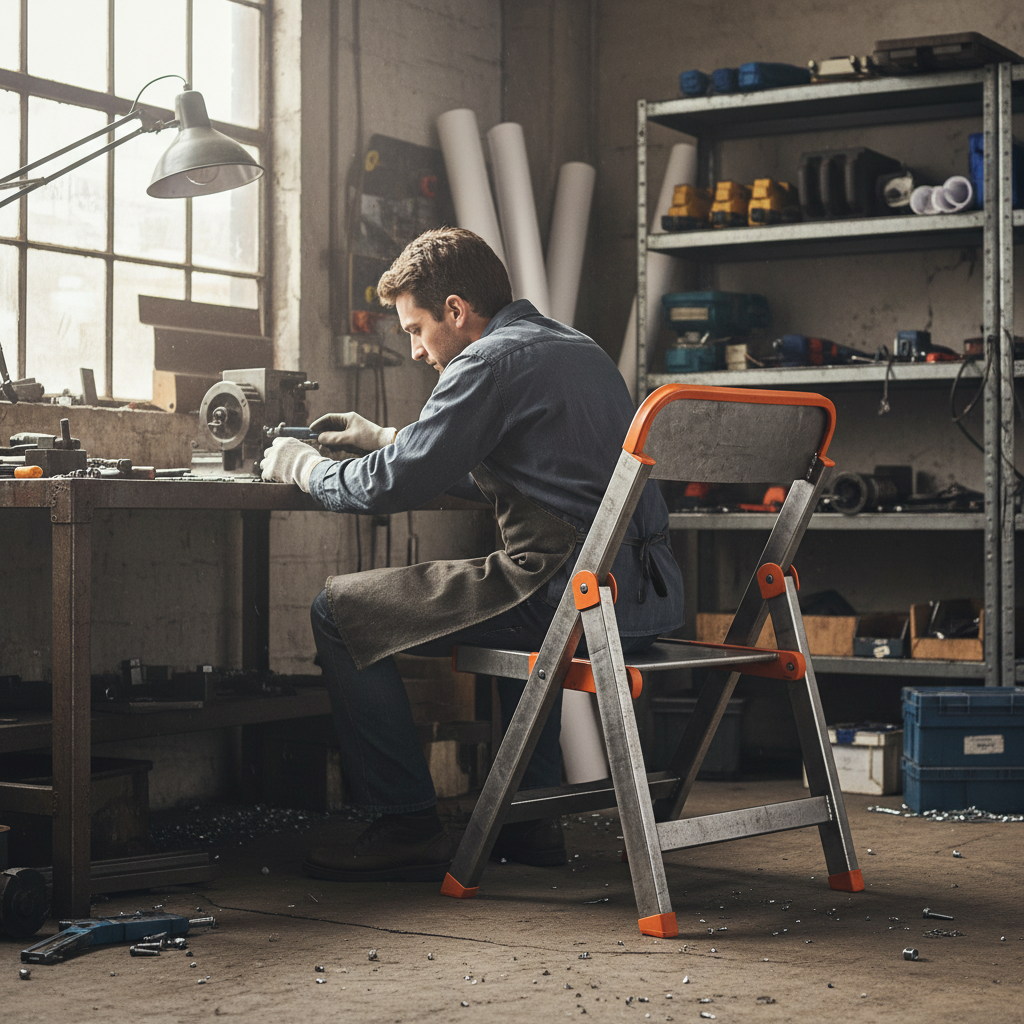
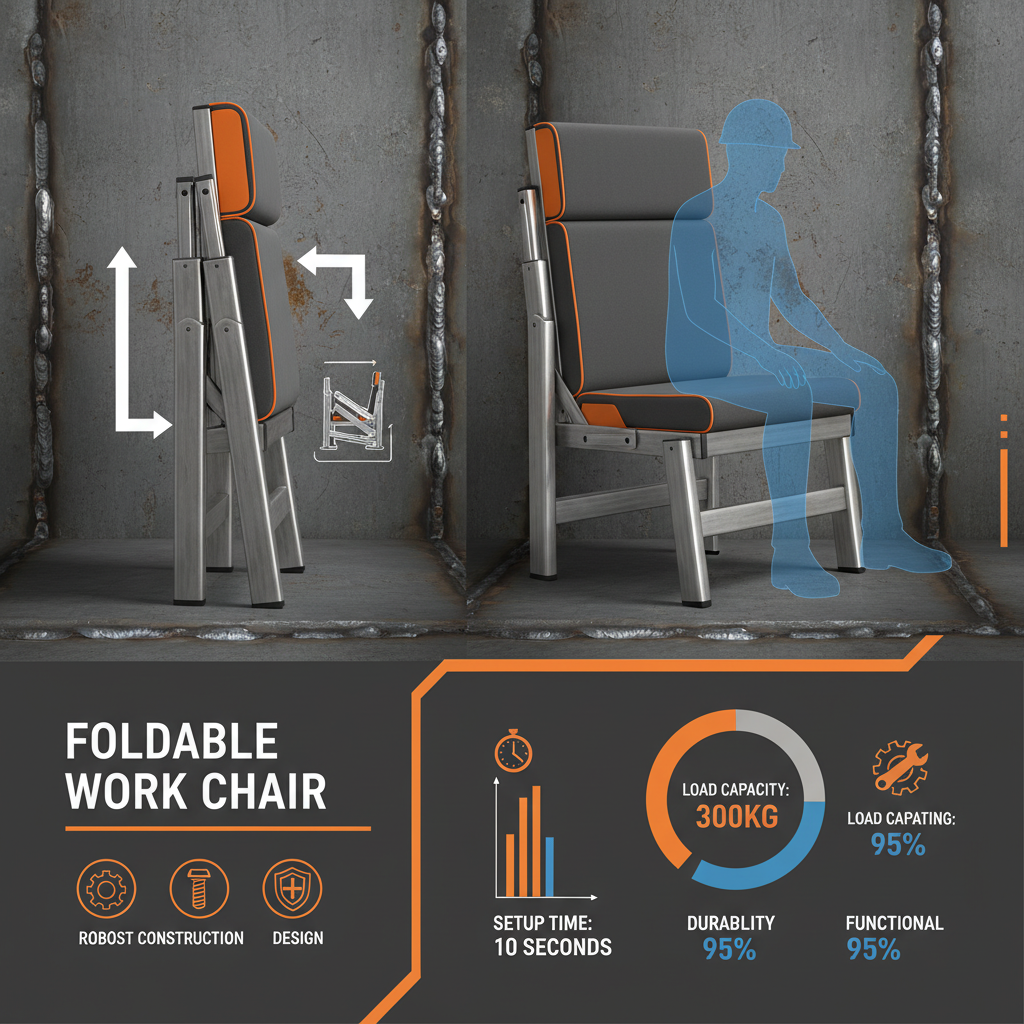
In the current global economy, the flexibility of infrastructure determines the agility of a business. The adoption of a foldable work chair allows organizations to scale their physical capacity instantaneously. Whether it is a pop-up medical clinic in a disaster zone or a temporary corporate war room, the ability to provide ergonomic seating without permanent installation is a critical logistical advantage.
Furthermore, statistics from urban planning agencies suggest that average home office square footage has decreased by 15% in major metropolitan areas over the last decade. This "spatial squeeze" makes the foldable work chair not just a luxury, but a necessity for maintaining a healthy work-life boundary, allowing the "office" to disappear at the end of the business day.
Yes, provided you choose a model specifically designed for "work" rather than "events." High-quality foldable work chairs feature contoured lumbar support and high-density foam or breathable mesh, which mimic the ergonomics of a standard office chair. To maximize comfort, we recommend models with adjustable back-tilt and reinforced seat pans that prevent "bottoming out" during long sessions.
Look for chairs with precision-milled steel hinges and locking pins. Avoid models with plastic joints in high-stress areas. Periodically checking the tightening of bolts and applying a small amount of silicone lubricant to the pivot points can significantly extend the lifespan of your foldable work chair, ensuring it remains safe and stable for years.
Most professional-grade foldable work chairs come with non-marring rubber or plastic floor protectors on the feet. This prevents scratches on hardwood floors and provides grip on tiled or concrete surfaces. If you are using the chair on an exceptionally delicate surface, adding adhesive felt pads to the base is a simple and effective solution.
Depending on the material, a standard high-quality metal foldable work chair typically supports between 120kg and 180kg. Reinforced steel models are generally superior for higher weight capacities. Always check the manufacturer's specified weight limit to ensure safety and maintain the structural integrity of the folding joints.
They can be, especially when made from recyclable metals like aluminum and steel. Because they are often more durable and versatile, users are less likely to replace them frequently. Additionally, the reduced shipping volume of a folded chair lowers the carbon footprint associated with logistics and transportation.
For mesh fabrics, a vacuum with a brush attachment is usually sufficient. For fabric cushions, we recommend a damp cloth with mild soap. Since foldable work chairs are often stored in closets, we suggest a quick wipe-down before folding to prevent dust buildup in the creases of the fabric.
The foldable work chair is far more than a convenient piece of furniture; it is a response to the changing nature of global work. By synthesizing high-strength metal engineering with ergonomic principles, these chairs solve the critical conflict between the need for professional physical support and the reality of limited urban space. From industrial floors to home offices, the ability to adapt one's environment instantly is a key driver of modern productivity and wellness.
As we look toward the future, the integration of sustainable materials and smart design will only enhance the value of adaptable seating. Whether you are an entrepreneur optimizing a startup hub or a professional refining your home sanctuary, investing in a high-quality foldable solution is a commitment to both efficiency and health. We invite you to explore the next generation of ergonomic versatility. Visit our website: www.cdgamingfurniture.com

Ethan is the Marketing Director at Cangzhou Jiujiang, focusing on expanding the brand's presence in North America. With over a decade of experience in outdoor apparel marketing, Ethan leverages his knowledge to promote the company’s PU rainwear, emphasizing its BSCI and GRS certifications.
If you are interested in our products, you can choose to leave your information here, and we will be in touch with you shortly.