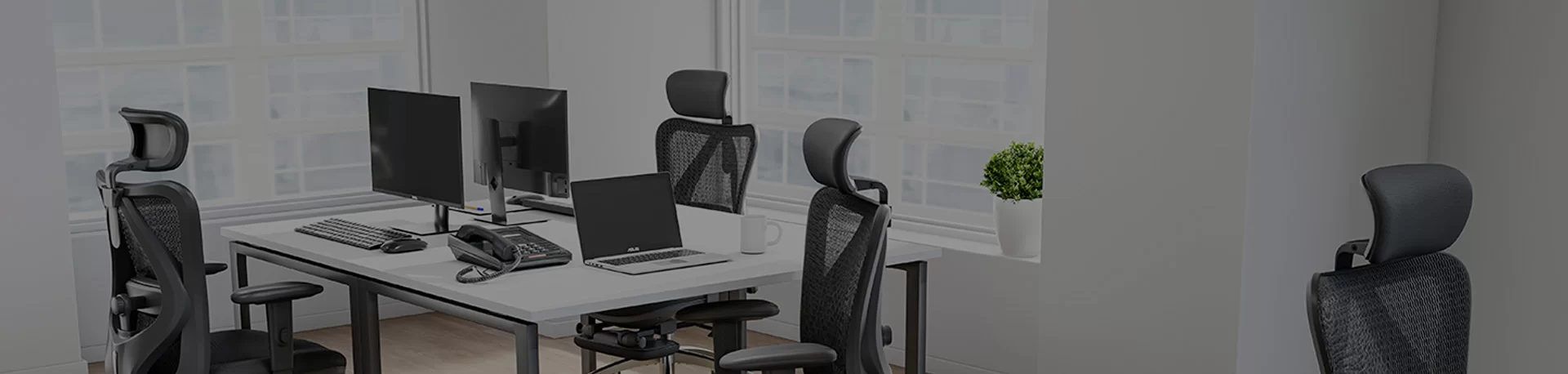
Look, I’ve spent the last fifteen years on construction sites, elbows deep in dust and concrete. I’ve seen guys come and go, projects succeed and fail. And one thing I've learned is that a comfortable, reliable seat isn’t a luxury – it’s a safety feature and a productivity booster. That’s where a good ergonomic seat pad comes in. It’s not about coddling workers, it’s about keeping them focused and preventing long-term injuries. We're talking about reducing fatigue, improving posture, and ultimately, getting more done, safely. You’d be surprised how much a sore back can slow a crew down.
I’ve seen companies try to cut corners on worker comfort, thinking it doesn’t impact the bottom line. They’re dead wrong. Lost time due to injury, reduced efficiency from fatigue – it all adds up. Investing in quality ergonomic seat pad isn’t an expense, it’s an investment in your workforce and your project’s success. It's a small detail that makes a huge difference, especially on those long days and demanding jobs. We need to build better, but we need to build smarter, and that includes taking care of the people doing the building.
It’s also a matter of attracting and retaining skilled labor. Guys talk. They’ll go where they’re treated well, where their comfort and safety are prioritized. A company that provides decent equipment, including proper seating, is a company people want to work for. So, a ergonomic seat pad isn’t just about physical well-being; it’s about building a reputation for being a good employer.
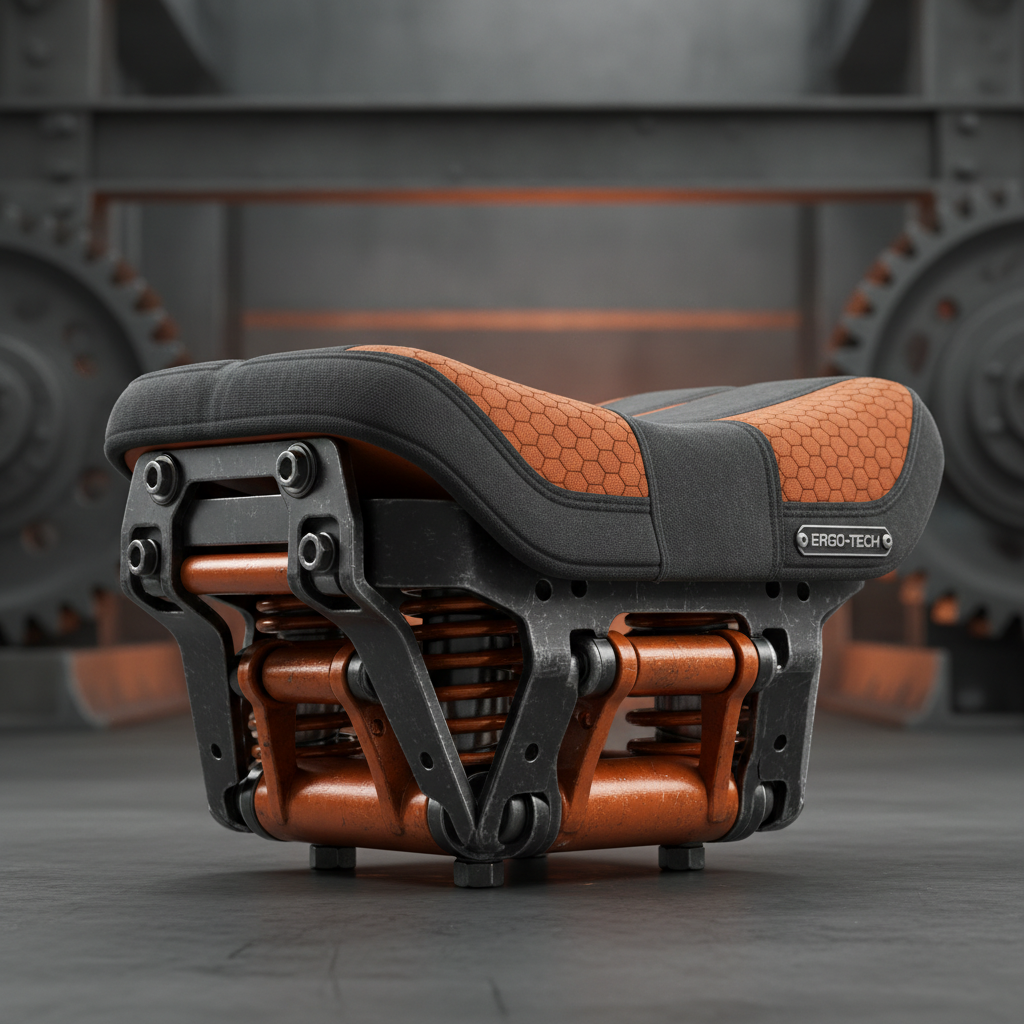
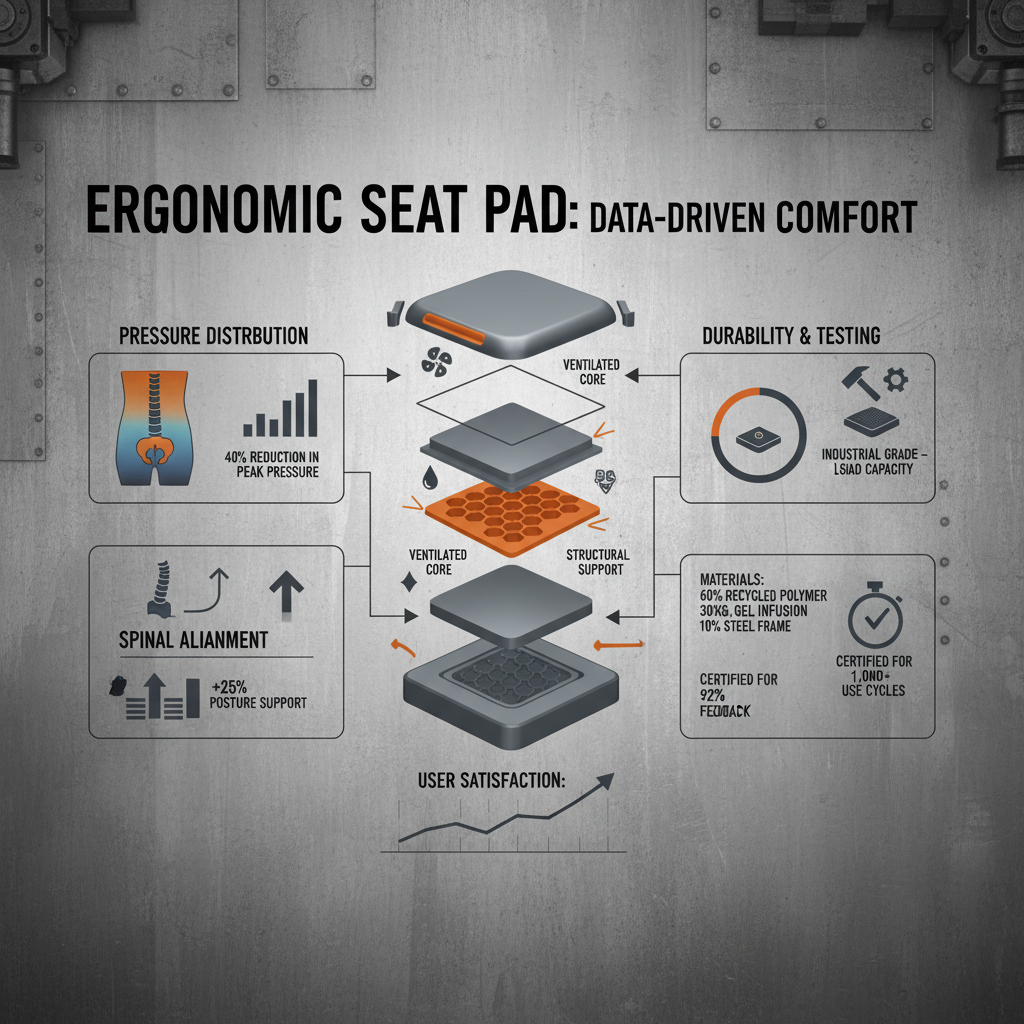
I’ve seen too many guys come off a shift with a bad back, and it's rarely just a one-time thing. Repeated stress and poor posture take a toll. That’s where a quality ergonomic seat pad comes in. It’s about preventing those chronic issues before they start. The ISO standards for workplace ergonomics are pretty clear on the importance of proper support, and frankly, it’s just common sense.
It’s not just construction, either. Truck drivers, equipment operators, even office workers – anyone who spends hours sitting needs to be thinking about their posture and support. We are seeing a global rise in musculoskeletal disorders due to prolonged sitting, and a simple ergonomic seat pad is a proactive step towards combating that.
Gel pads generally offer better temperature regulation and can distribute weight more evenly, making them good for long periods of sitting. Memory foam conforms to your body shape, providing excellent pressure relief but can sometimes retain heat. For most construction jobs, a hybrid of both often gives the best results - balancing support, comfort, and temperature control.
It depends on usage and quality, but generally, you should replace a seat pad every 1-2 years if it's used daily. Look for signs of wear and tear – flattened foam, cracks in the material, or loss of support. A worn-out pad is worse than no pad at all.
Most are designed to be fairly universal, but it's always best to measure your seat before purchasing. Look for pads with adjustable straps or fasteners to ensure a secure fit. Some specialty equipment might require a custom-fit pad.
Most pads can be cleaned with a damp cloth and mild soap. Avoid harsh chemicals or abrasive cleaners. For pads with removable covers, follow the washing instructions on the label. Regularly cleaning your pad will help prevent the buildup of dirt and bacteria.
A good ergonomic seat pad can significantly reduce back pain by providing proper support and minimizing pressure points. However, it’s not a cure-all. If you’re experiencing chronic back pain, it’s important to consult with a medical professional.
For outdoor use, prioritize water-resistant or waterproof materials, UV protection to prevent fading, and reinforced stitching. Look for pads designed specifically for heavy-duty use and exposure to the elements. Regular maintenance, like cleaning off dirt and debris, will also extend its lifespan.
Investing in ergonomic seat pad isn’t just about comfort; it’s about safety, productivity, and long-term workforce well-being. It's a small detail that yields significant returns. We need to stop thinking of these as "extras" and start recognizing them as essential tools for a sustainable and efficient work environment.
I’ve seen firsthand the difference a good seat pad can make. Take the time to research your options, invest in quality, and prioritize the comfort of your workers. You'll see the benefits in reduced injuries, increased efficiency, and a happier, more productive crew. Visit our website at www.cdgamingfurniture.com to explore our range of ergonomic seating solutions.

If you are interested in our products, you can choose to leave your information here, and we will be in touch with you shortly.