In today's world, where many of us spend countless hours seated – whether working from home, gaming, or simply relaxing – the importance of a comfy adjustable chair cannot be overstated. A good chair isn't just about comfort; it's an investment in your health, productivity, and overall well-being. This article explores the features to look for, the benefits of adjustability, and how to choose the perfect chair to meet your specific needs. We'll delve into why a properly fitted chair can prevent pain, improve posture, and enhance your focus.
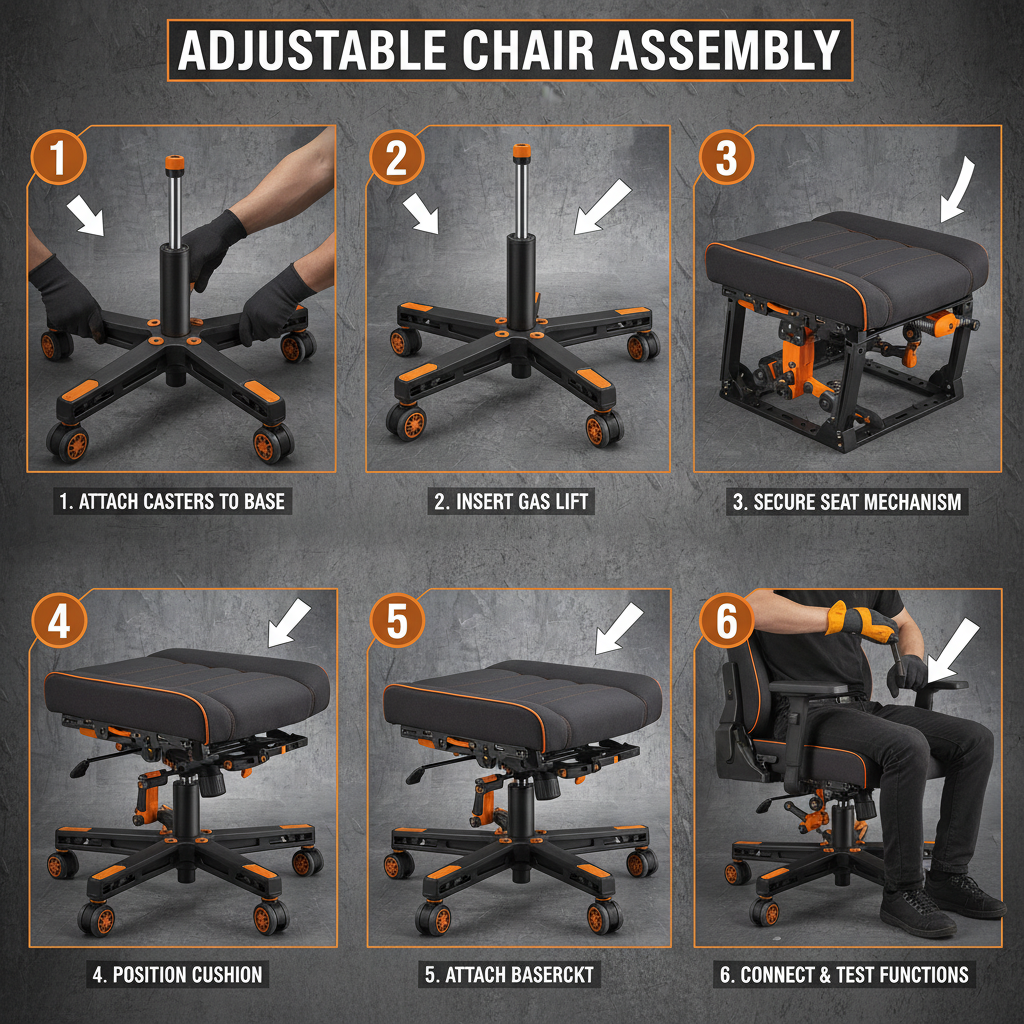
One-size-fits-all simply doesn't work when it comes to seating. Everyone has unique body proportions and preferences. That's where adjustability becomes crucial. An adjustable chair allows you to fine-tune various elements – seat height, backrest angle, armrest position, and lumbar support – to create a personalized ergonomic experience. This minimizes strain on your body, promotes proper posture, and reduces the risk of developing musculoskeletal issues. The ability to adapt the chair to your body, rather than forcing your body to adapt to the chair, is key to long-term comfort and health.
Key Benefits of Adjustability: Reduces strain, promotes good posture, minimizes risk of musculoskeletal issues, increases comfort, enhances productivity.
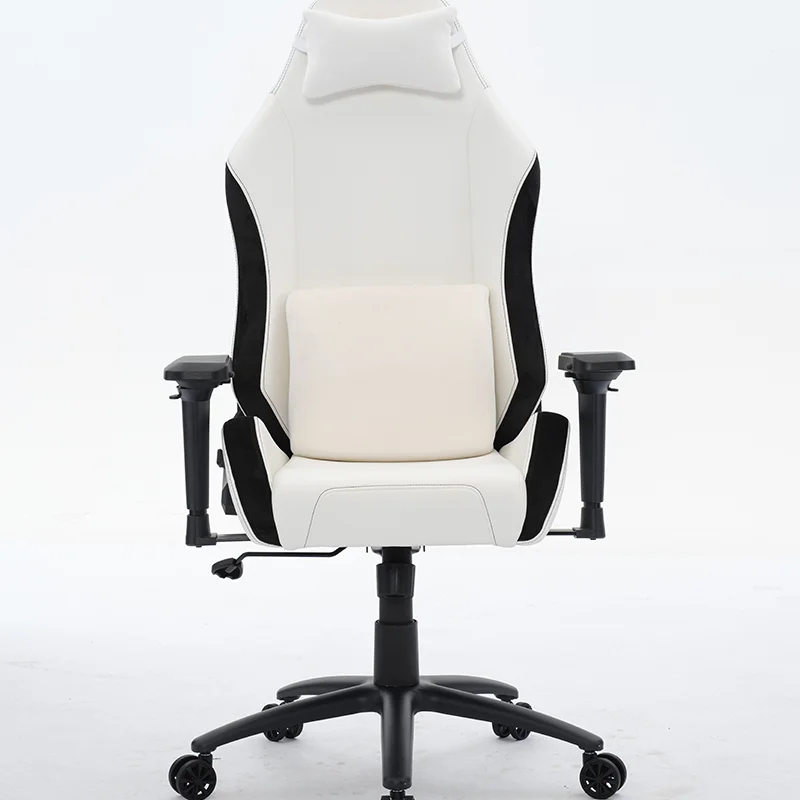
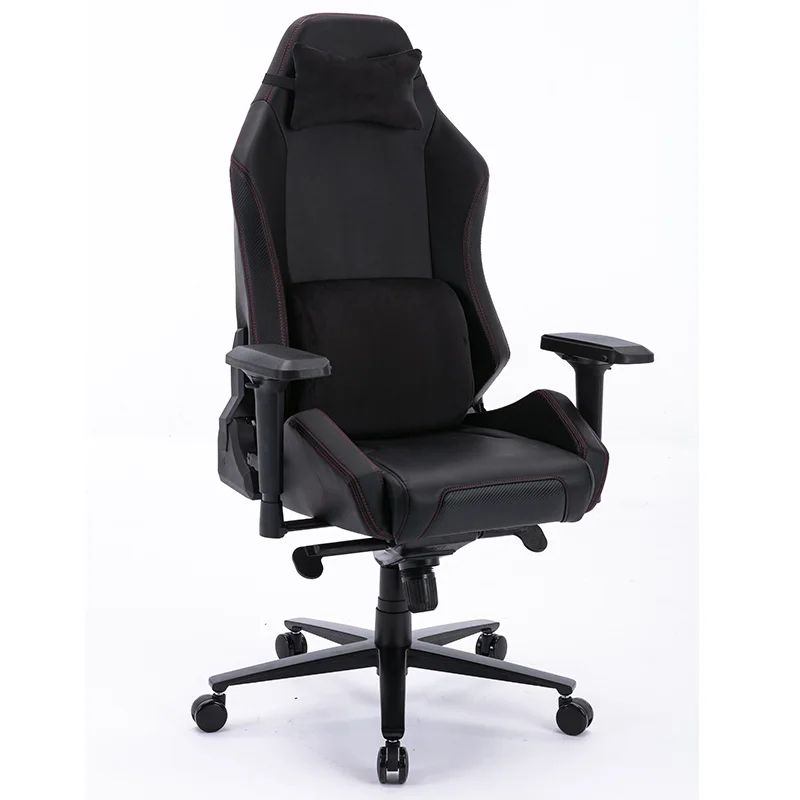
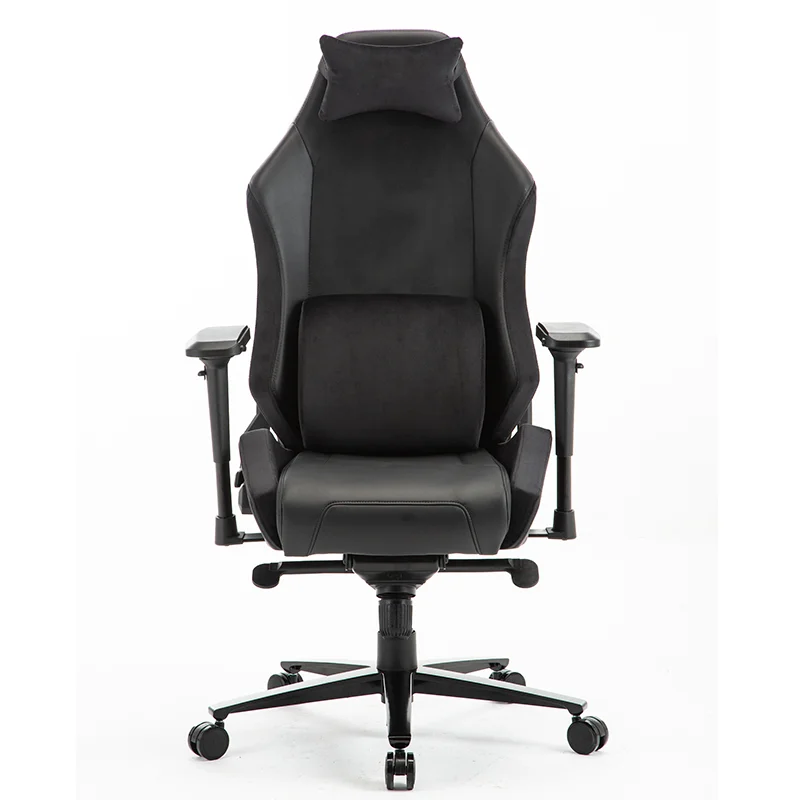
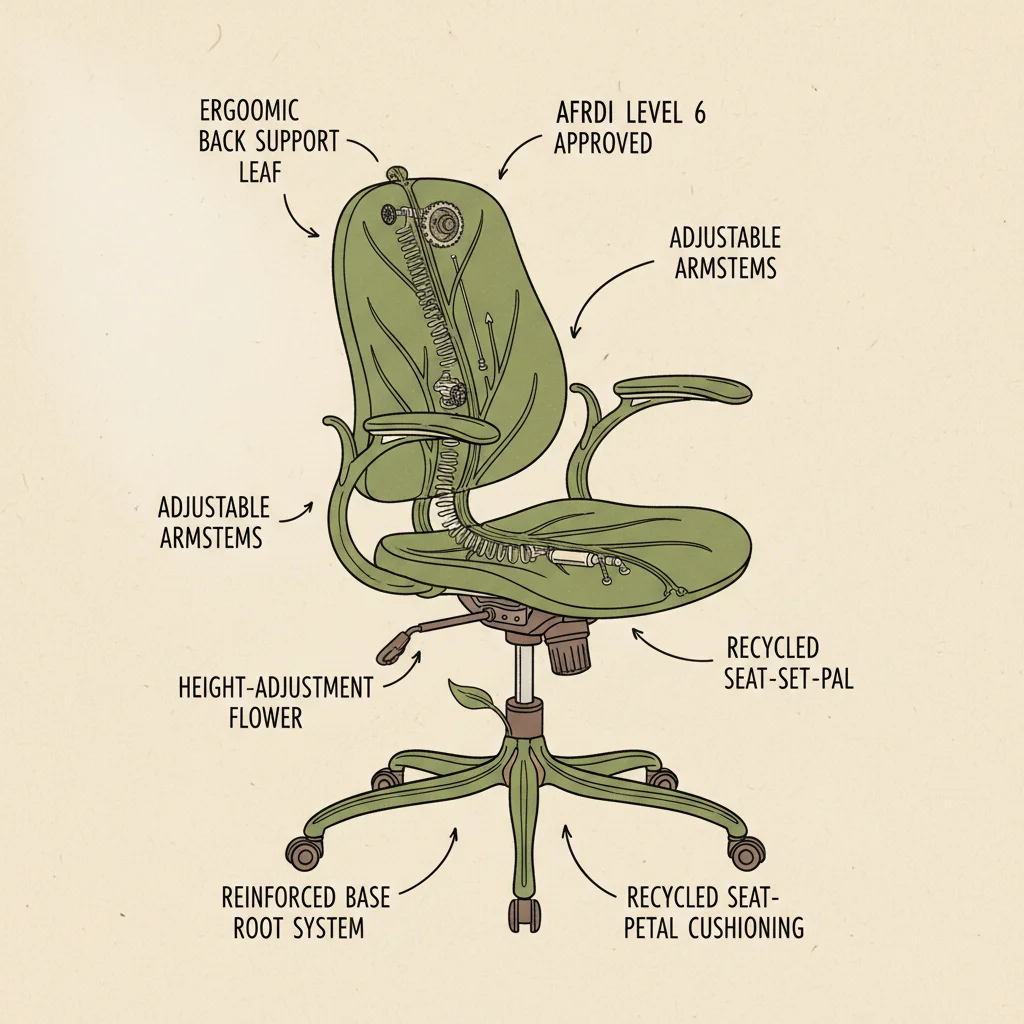
When searching for the ideal comfy adjustable chair, pay attention to these key features: Seat Height Adjustment: Ensures your feet are flat on the floor and your knees are at a 90-degree angle. Backrest Angle Adjustment: Allows you to recline for relaxation or sit upright for focused work. Lumbar Support: Provides support for your lower back, maintaining the natural curve of your spine. Armrest Adjustment: Adjustable height and width ensure your arms are supported without straining your shoulders. Tilt Mechanism: Provides a rocking motion, promoting movement and reducing stiffness. A chair with these features will offer a truly customizable and ergonomic seating experience.
Essential Adjustment Options:
• Seat Height
• Backrest Angle
• Lumbar Support
• Armrest Height & Width
• Tilt Mechanism
Different chair types cater to different needs. Ergonomic Office Chairs: Designed for extended work sessions, offering comprehensive adjustability and lumbar support. Gaming Chairs: Often feature a high backrest, headrest, and aggressive styling, geared towards long gaming sessions. Executive Chairs: Typically larger and more luxurious, focusing on comfort and prestige. Task Chairs: Simpler and more affordable, suitable for light use and occasional tasks. Choosing the right style depends on your primary use case and budget. Consider how much time you'll be spending in the chair and the types of activities you'll be performing.
At CD Gaming Furniture, we understand the importance of a comfortable and supportive seating experience. We offer a wide selection of comfy adjustable chairs designed to meet diverse needs and preferences. From ergonomic office chairs to stylish gaming chairs, we have something for everyone. Our chairs are built with high-quality materials and feature advanced adjustability options to ensure optimal comfort and support. Explore our collection today and discover the difference a great chair can make!
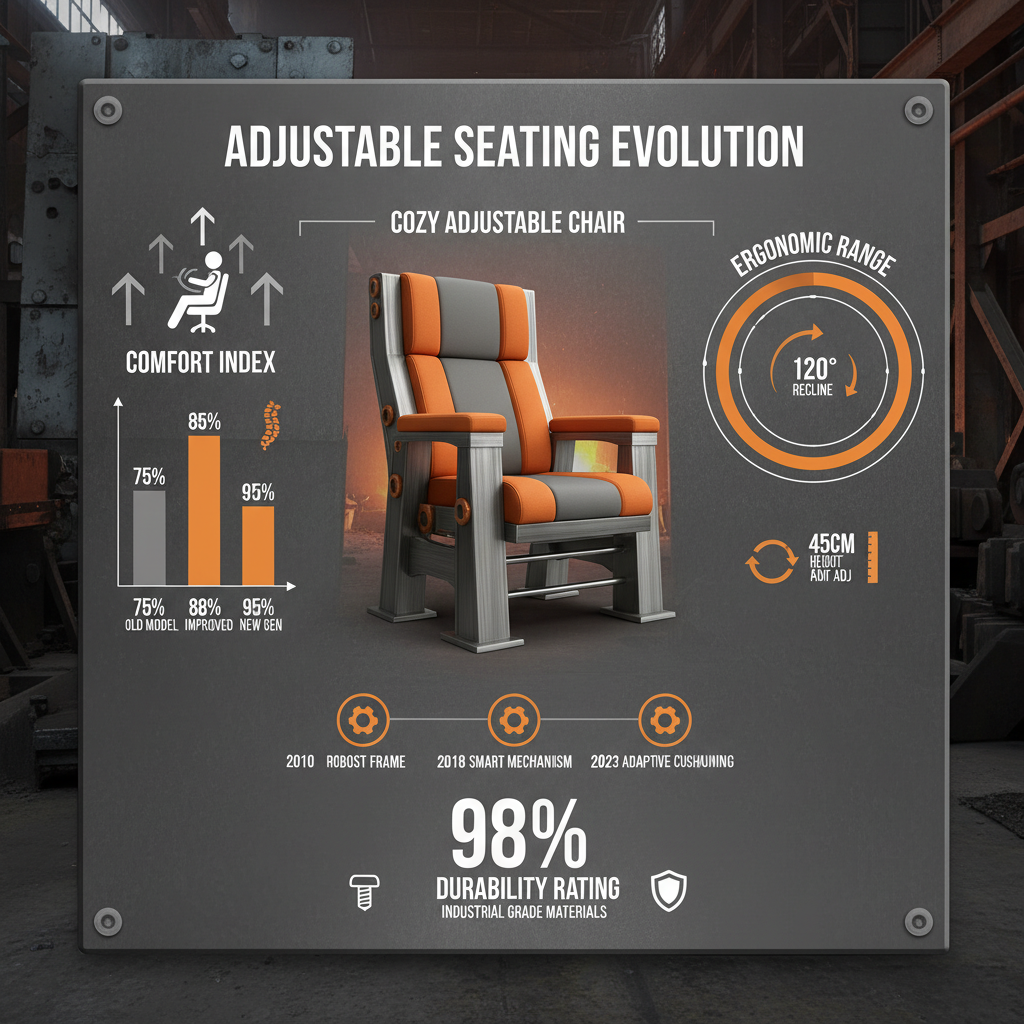
Choosing a comfy adjustable chair is an investment in your health, productivity, and overall well-being. By prioritizing adjustability, ergonomics, and quality materials, you can find a chair that provides optimal support and comfort for years to come. Don't settle for anything less than the perfect fit. Visit CD Gaming Furniture to explore our wide range of chairs and find the one that's right for you.
You should adjust your chair whenever you notice discomfort or changes in your posture. It’s not a one-time setup! Make small adjustments throughout the day as needed. Pay attention to your body and listen to its signals. For example, if you find your lower back aching, increase the lumbar support. If your arms are feeling strained, adjust the armrest height. Regular adjustments will help maintain optimal ergonomics and prevent fatigue. A good practice is to re-evaluate your chair settings at the beginning of each work session.
The ideal seat height is one where your feet are flat on the floor or supported by a footrest, and your knees are bent at a 90-degree angle. Your thighs should be parallel to the floor. This ensures proper circulation and reduces pressure on your lower back. If your chair doesn’t go low enough, consider using a footrest. If it goes too high, lower it until your feet are comfortably supported. Remember, proper seat height is a crucial component of ergonomic seating.
Effective lumbar support should fill the natural curve of your lower back. It should be adjustable in both height and depth to accommodate your individual anatomy. The goal is to maintain the spine’s natural ‘S’ curve, preventing slouching and reducing strain on the lower back muscles. Some chairs offer dynamic lumbar support, which adjusts automatically to your movements. Experiment with the settings to find the level of support that feels most comfortable and supportive.
Adjustable armrests are very important for maintaining proper posture and reducing strain on your shoulders and neck. They should be adjustable in both height and width to support your arms comfortably without causing you to hunch or reach. Ideally, your elbows should be bent at a 90-degree angle when resting on the armrests, and your shoulders should be relaxed. Adjustable armrests are particularly beneficial if you spend long hours typing or using a computer.

If you are interested in our products, you can choose to leave your information here, and we will be in touch with you shortly.