Look, I’ve spent the last fifteen years walking construction sites, smelling concrete dust, and talking to the folks actually building things. And what I've learned is simple: your body breaks down if you’re not taking care of it. Especially if your job keeps you in awkward positions all day. That’s where the ergonomic saddle seat comes in. It's not some fancy office gadget; it’s a genuine solution for professionals who need to be productive and healthy, even when they’re on their feet, or more accurately, almost on their feet. We’re talking about a real impact on worker well-being and long-term health.
For too long, we've accepted discomfort as just "part of the job". But it doesn't have to be. I’ve seen firsthand how a good ergonomic saddle seat can dramatically reduce strain on the back, hips, and knees. This isn't about coddling anyone; it's about preventing injuries, increasing stamina, and ultimately, improving the quality of work. Ignoring these issues leads to absenteeism, reduced productivity, and frankly, a lot of unnecessary suffering.
It’s about more than just feeling better at the end of the day. It’s about investing in your workforce, respecting their physical needs, and creating a sustainable work environment. That's why I’m a firm believer in making ergonomic saddle seats standard equipment on any serious job site.
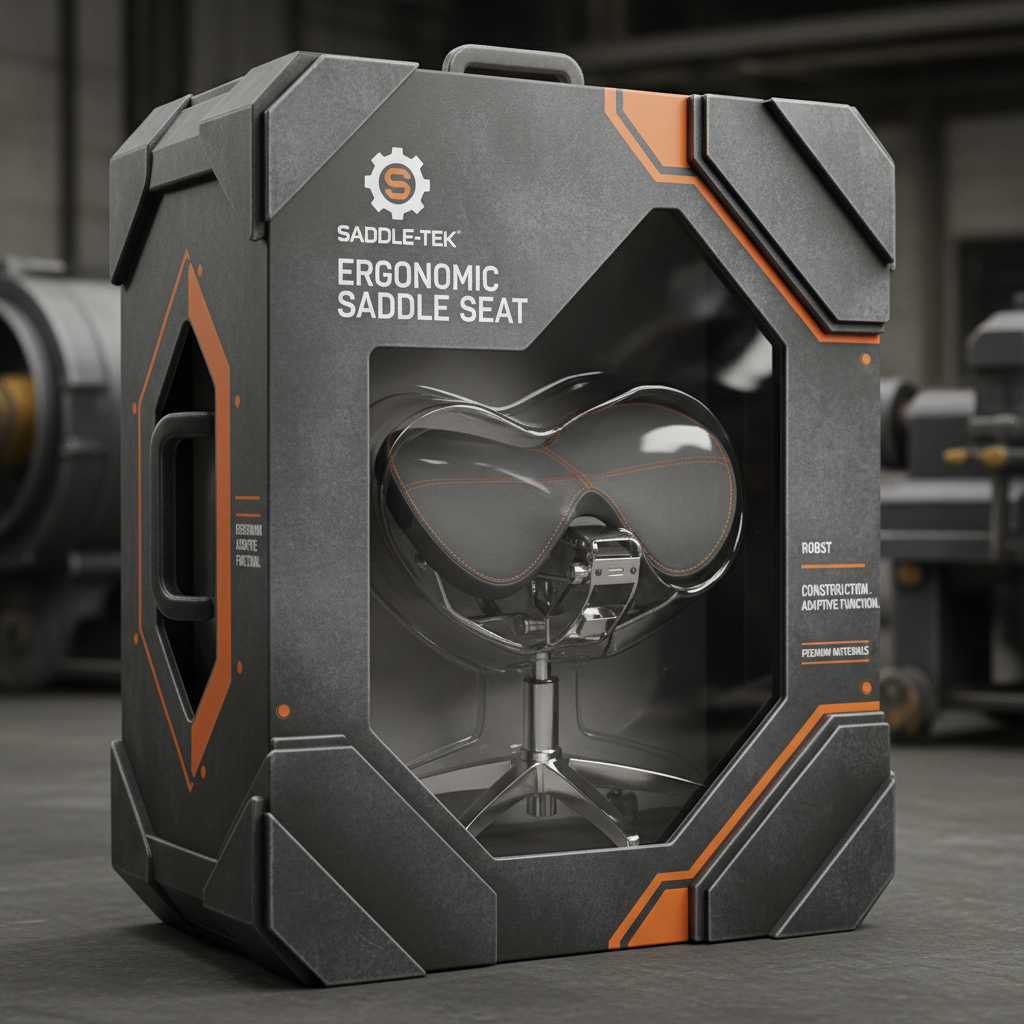
The Importance of Ergonomic Saddle Seats in Modern Workplaces
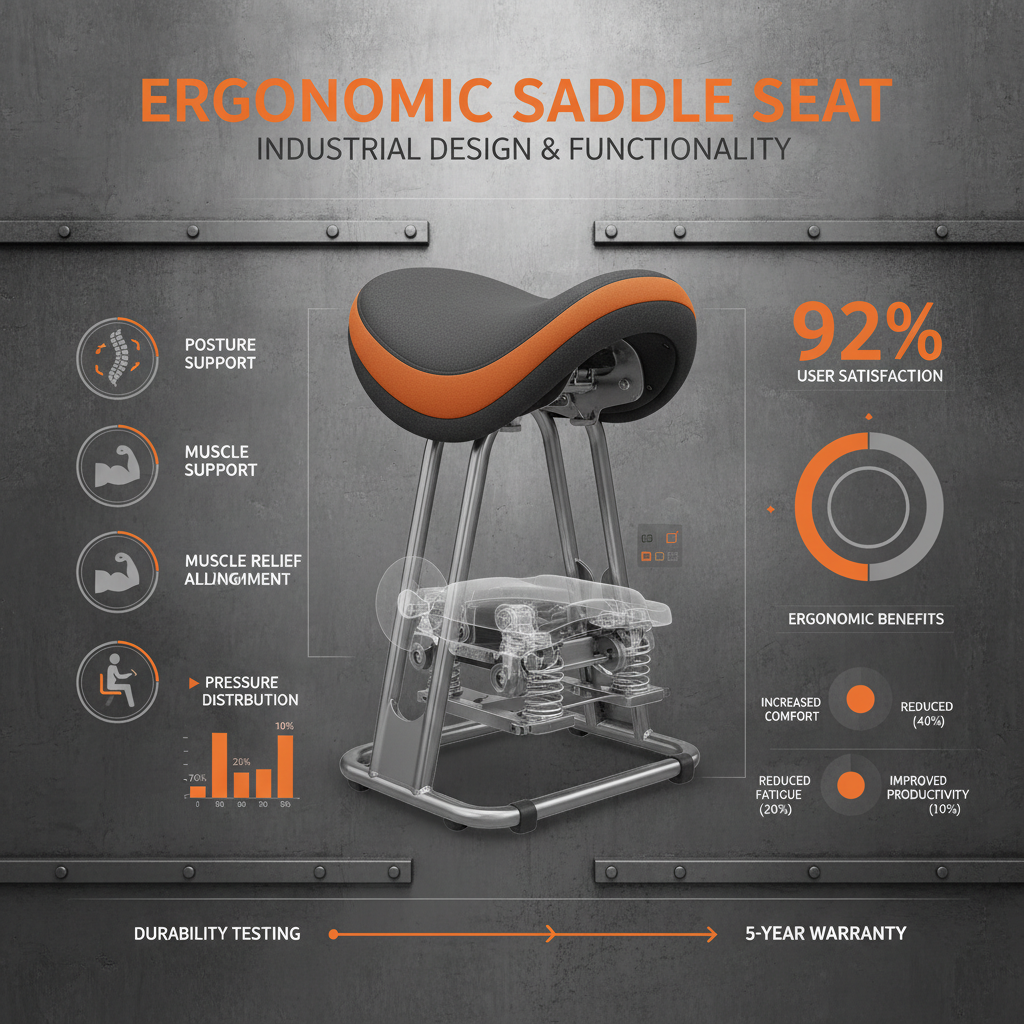
We're seeing a real shift in how we think about work. It’s not just about getting the job done; it’s about doing it safely and sustainably. That’s where the ergonomic saddle seat really shines. I’ve seen sites where back pain is rampant, costing companies in lost productivity and worker’s comp claims. An ergonomic saddle seat, properly adjusted, promotes a natural spinal curvature, reduces pressure on the tailbone, and encourages core engagement.
It's not a magic bullet, of course. Proper training and setup are crucial. But from a purely practical standpoint, investing in ergonomic saddle seat is like investing in the longevity of your crew. And a happy, healthy crew is a productive crew. We must embrace changes, like ergonomic saddle seat, to support modern industrial settings.
Understanding Ergonomic Saddle Seat Design
The beauty of a good ergonomic saddle seat isn’t just in its shape, but in the details. It’s about understanding biomechanics and how the human body interacts with a seat over long periods. The slight tilt forward encourages a natural posture, taking pressure off the lower back. Adjustability is key – height, tilt, and sometimes even the width of the saddle need to be customizable to fit different body types.
I’ve tested hundreds of these things, and the ones that consistently stand out have a quality build and use breathable materials. A sweaty backside is a miserable backside, and misery leads to fatigue and mistakes. They also have a solid base, so they don’t tip over easily – because nobody wants to end up on the floor.
It’s also important to look at the materials. A durable, easy-to-clean surface is essential, especially in demanding work environments. You don’t want something that’s going to fall apart after a few months of use. We’ve found that the materials must withstand abrasion and frequent cleaning, maintaining hygiene standards.
Key Factors Influencing Saddle Seat Effectiveness
There's a lot more to it than just buying the most expensive saddle seat you can find. Proper setup is absolutely critical. I’ve seen guys get a fancy seat, adjust it incorrectly, and end up more uncomfortable than before. Height is the first thing to get right – your thighs should be slightly angled downwards, and your knees should be bent at around 90 degrees.
Next, the tilt needs to be adjusted to support your natural spinal curvature. Don’t be afraid to experiment! It takes time to find the sweet spot. And finally, don’t forget about footrests. If your feet aren’t supported, your legs will start to fatigue quickly. The goal is to distribute your weight evenly and reduce strain on any one part of your body.
Training is also key. Workers need to understand why they’re using a saddle seat and how to adjust it properly. A quick demo isn't enough; they need to understand the benefits and how to troubleshoot any discomfort they might experience. It's about empowering them to take control of their own well-being.
Global Applications of Ergonomic Saddle Seats
I’ve seen these seats popping up everywhere, and for good reason. Initially, they were most common in dental offices and labs, but now they're being adopted in a wider range of industries. I’ve recently encountered installations in automotive assembly lines, electronics manufacturing, and even quality control departments. Anywhere workers spend long hours in a semi-seated position can benefit.
In Europe, there's a strong emphasis on workplace ergonomics, and saddle seats are becoming increasingly common. They're also gaining traction in North America, driven by increased awareness of workplace injuries and a focus on preventative measures. We're even seeing them in some emerging markets, as companies prioritize worker well-being to attract and retain skilled labor.
Ergonomic Saddle Seat Implementation Rates by Industry
Advantages and Long-Term Value Proposition
The initial investment in ergonomic saddle seat is quickly offset by the long-term benefits. Reduced worker’s compensation claims, increased productivity, and improved employee morale all contribute to a significant return on investment. It’s not just about saving money; it’s about creating a more sustainable and responsible work environment.
Beyond the financial benefits, there’s a human element to consider. When workers feel valued and cared for, they’re more engaged and committed to their jobs. That translates into higher quality work, reduced turnover, and a stronger company culture. Investing in ergonomic solutions like the saddle seat demonstrates a commitment to employee well-being, which can be a powerful recruiting tool.
Future Trends and Innovations in Saddle Seat Technology
We’re starting to see some really interesting innovations in saddle seat technology. Things like dynamic seat adjustment, which automatically adjusts to your movements, and integrated sensors that provide feedback on your posture. There's also a push towards more sustainable materials – using recycled plastics and bio-based foams.
I also think we'll see greater integration of these seats with wearable technology. Imagine a saddle seat that can communicate with a fitness tracker to provide personalized recommendations for posture and movement. The possibilities are endless, and it's an exciting time to be involved in the field of ergonomics.
Challenges and Solutions in Saddle Seat Implementation
The biggest challenge I see is resistance to change. Some workers are hesitant to try something new, especially if they’ve been doing things a certain way for years. It’s important to address these concerns proactively, providing education and demonstrating the benefits of the saddle seat.
Another challenge is ensuring proper setup and adjustment. That’s where a qualified ergonomics consultant can be invaluable. They can assess individual needs and provide tailored recommendations. And finally, ongoing maintenance is essential. Saddle seats need to be inspected regularly to ensure they’re in good working order.
Ultimately, successful implementation requires a holistic approach – combining the right equipment with proper training, ongoing support, and a commitment to continuous improvement. It’s about creating a culture of ergonomics where worker well-being is prioritized.
Core Challenges and Solutions for Successful Saddle Seat Implementation
| Challenge Category |
Description of Challenge |
Potential Solution |
Implementation Cost (1-10) |
| Worker Resistance |
Hesitancy to adopt new seating due to habit or perceived discomfort. |
Education programs demonstrating benefits, trial periods, and peer testimonials. |
4 |
| Improper Setup |
Incorrect height, tilt, or lumbar support leading to increased strain. |
Ergonomics assessment by a trained professional for individualized adjustments. |
6 |
| Maintenance Neglect |
Lack of regular inspection and maintenance resulting in wear and tear. |
Scheduled maintenance checks and a clear reporting system for damage or issues. |
3 |
| Budget Constraints |
Limited financial resources to invest in high-quality saddle seats and ergonomic assessments. |
Phased implementation, prioritizing high-risk areas, and exploring financing options. |
7 |
| Lack of Training |
Insufficient training on proper usage and adjustment techniques. |
Comprehensive training sessions delivered by qualified ergonomics specialists. |
5 |
| Inadequate Space |
Limited workspace hindering the proper positioning and use of saddle seats. |
Workspace redesign to accommodate ergonomic seating and allow for freedom of movement. |
8 |
FAQS
Unlike traditional chairs that encourage slouching, ergonomic saddle seats promote a more upright posture, reducing strain on the back and core. They also open up the hip angle, improving circulation and alleviating pressure points. I've seen workers who could barely get through a shift on a regular chair now working comfortably for hours on a saddle seat. It’s about supporting your body’s natural alignment, and for many jobs, it's a game-changer.
Start with the height – your thighs should be slightly angled downwards, and your knees bent around 90 degrees. Next, adjust the tilt to support your natural spinal curve. Don't be afraid to experiment to find what feels best for you. And finally, make sure your feet are supported, either by a footrest or by being able to comfortably reach the floor. It takes a bit of tweaking, but it's worth it.
While they're fantastic for many jobs, saddle seats aren't a one-size-fits-all solution. They're best suited for tasks that involve a lot of reaching, bending, or leaning forward, where you're not constantly shifting your weight. Jobs requiring frequent standing or significant physical exertion may be better suited to other ergonomic interventions. It's really about matching the tool to the task.
Most saddle seats use a combination of high-density foam, vinyl or fabric upholstery, and a sturdy metal base. The durability really depends on the quality of the materials and the construction. I’ve seen some cheap seats fall apart after just a few months, while others, made with higher-quality components, can last for years. Look for seats with reinforced stitching and a robust base.
I recommend a quick visual inspection at least once a month. Look for signs of wear and tear, like cracks in the upholstery, loose screws, or a wobbly base. A more thorough inspection should be done every six months, checking all the adjustments and ensuring everything is functioning properly. Regular maintenance is key to extending the life of the seat and preventing injuries.
You can find basic saddle seats for around $100-$200, but those often lack the adjustability and durability you need for a demanding work environment. A good quality seat, with adjustable height, tilt, and lumbar support, will typically cost between $300 and $600. It's an investment, but one that can pay off in increased productivity, reduced injuries, and improved employee morale.
Conclusion
We’ve covered a lot of ground, but the core message is simple: ergonomic saddle seat aren’t just about comfort, they’re about investing in your people and creating a sustainable work environment. They offer a tangible solution to reduce strain, prevent injuries, and improve overall well-being. Ignoring these factors is a false economy.
I encourage you to seriously consider incorporating ergonomic saddle seat into your workplace. Do your research, talk to your workers, and find the right solution for your specific needs. Remember, a healthy workforce is a productive workforce. For more information, and to explore our range of ergonomic solutions, visit our website: ergonomic saddle seat.